
How Embassy Leaders Strengthen Diplomacy Through Meaningful Recognition
Renita WingfieldKey Takeaways
- Embassy leadership recognition directly strengthens morale, cohesion, and mission focus by making people feel seen and valued.
- Genuine appreciation from senior leaders builds trust and respect across ranks, which supports stronger diplomatic teamwork.
- Symbolic recognition rooted in tradition, such as challenge coins, creates lasting emotional impact beyond verbal praise.
- Structured recognition programs help retain experienced diplomats and reduce burnout during demanding assignments.
- Thoughtful recognition practices improve how embassy teams collaborate internally and represent their mission externally.
Diplomacy thrives on human connection, and one sincere thank-you can often inspire more loyalty and morale in an embassy team than any formal directive. When hard work goes unnoticed, team spirit suffers and trust erodes; in fact, lack of recognition is the number one reason people leave their jobs, with 66% of employees saying they would quit if they felt unappreciated. Embassy leaders overseeing diverse teams know that unacknowledged efforts can undermine unity and mission focus. Meaningful recognition – whether a heartfelt commendation or a symbolic challenge coin – directly addresses this pain point by boosting morale and reinforcing bonds of trust within diplomatic staff. It’s not just a ceremonial gesture; it’s a strategic leadership practice that strengthens team cohesion and effectiveness in high-stakes diplomacy.
“Diplomacy thrives on human connection, and one sincere thank-you can often inspire more loyalty and morale in an embassy team than any formal directive.”
Embassy teams grow stronger when leaders show genuine appreciation
Embassy personnel often work under high-pressure conditions, so a sincere word of appreciation from leadership can go a long way. When people feel valued, they become more engaged in their duties and more committed to their colleagues’ success. Over time, a culture of gratitude takes hold – team members celebrate each other’s contributions and face challenges with greater unity. At an embassy, diplomats, local employees, and security staff work side by side, and this shared morale boost lays a foundation for stronger overall performance.
- Boosted morale: Genuine appreciation lifts everyone’s spirits. When an ambassador or consular chief acknowledges even the behind-the-scenes work, it sends the message that every role matters. Team members with high morale approach their duties with enthusiasm and resilience, even in challenging postings.
- Increased loyalty: Consistent recognition fosters a sense of loyalty toward leaders and the mission. Employees who feel appreciated develop a stronger attachment to the embassy’s goals and are less likely to seek opportunities elsewhere, improving staff retention and continuity.
- Better teamwork: Appreciation isn’t just top-down – it often encourages peer-to-peer respect. Leaders who openly praise good work set an example, prompting colleagues to support and recognize each other. The result is an embassy team that collaborates more openly and trusts one another when solving problems.
- Enhanced motivation: Even seasoned diplomats and staff are energized by recognition. A simple public thank-you during country team meetings or an award for exceptional service can reignite someone’s motivation. This motivation translates into proactive efforts and creative solutions in advancing diplomatic initiatives.
- Positive workplace culture: Over time, small acts of recognition shape the embassy’s internal culture. Offices that regularly celebrate milestones, from successful trade negotiations to effective community outreach events, cultivate an atmosphere of positivity. New team members quickly see that hard work will be noticed, which encourages them to uphold the same supportive values.
Sincere appreciation answers the human need to feel seen. Leaders who make praise a regular practice soon notice more upbeat energy in the building. Challenges are met with determination instead of cynicism, because the team knows their sacrifices are noticed. When crises emerge, the group is better able to pull together, because goodwill and dedication have been steadily built up through regular appreciation.

Meaningful recognition builds trust and respect in diplomacy
Respect is a cornerstone of effective diplomacy, and it flourishes in workplaces where contributions are acknowledged. When embassy staff see their leaders highlighting good work, it reinforces mutual respect: employees feel respected for their efforts and in turn hold their leaders in higher esteem. For example, when a junior officer’s analysis is praised by the ambassador, it boosts that officer’s confidence and shows everyone that merit is recognized. This dynamic is especially important in diplomatic missions where hierarchy is clear – a sincere commendation from the top can humanize leadership and bridge hierarchical gaps.
Trust within an embassy team also grows through consistent recognition. Team members trust leaders who show that they understand and appreciate the on-the-ground realities their staff face. A simple gesture like a personal note of thanks or a public acknowledgment during an all-hands meeting signals authenticity. Nearly 9 in 10 employees say a strong recognition program makes them feel appreciated and respected by their leadership. In a diplomatic context, this feeling translates to staff who are willing to go the extra mile, secure in the knowledge that their initiative will be noticed. Conversely, when recognition is absent or perceived as unfair, it can erode trust – people may begin to question whether leadership is attentive or fair. That’s why meaningful, equitable recognition is not about vanity or indulgence; it’s about cultivating an atmosphere of mutual trust and respect that ultimately improves how an embassy operates.

Custom challenge coins help embassy leaders honor service and tradition
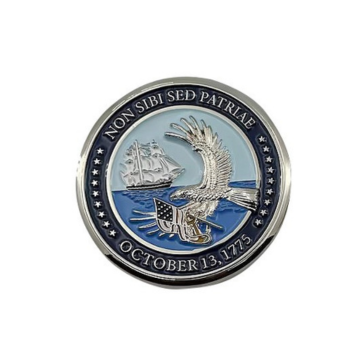
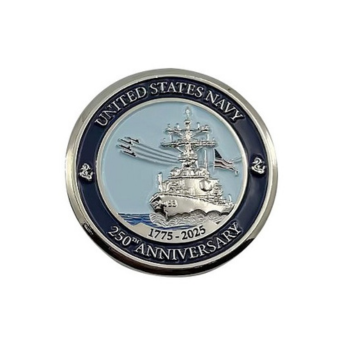
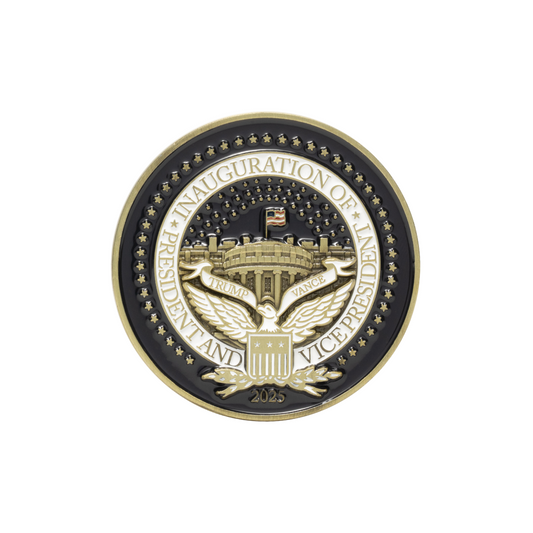
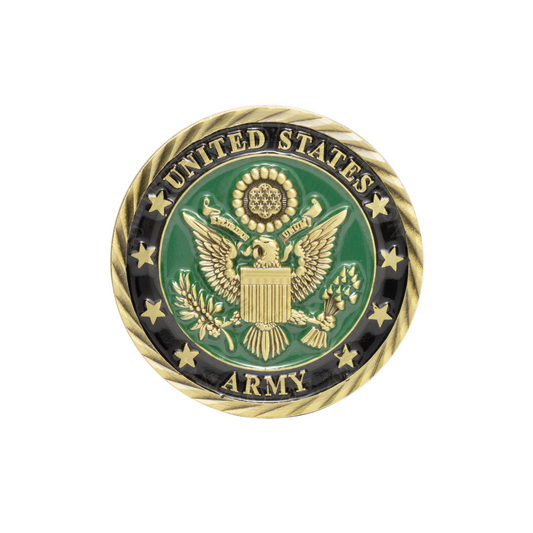
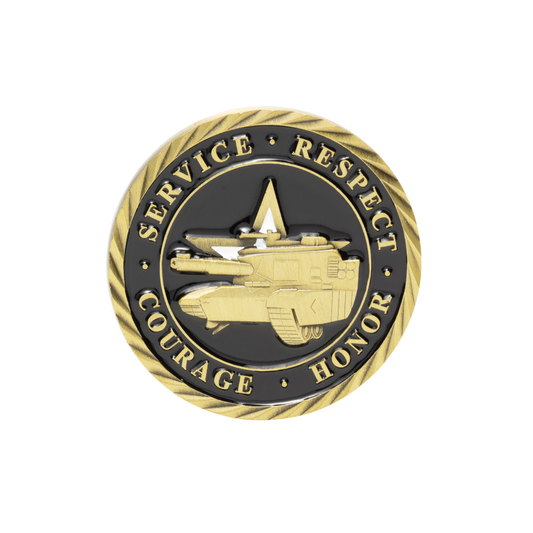
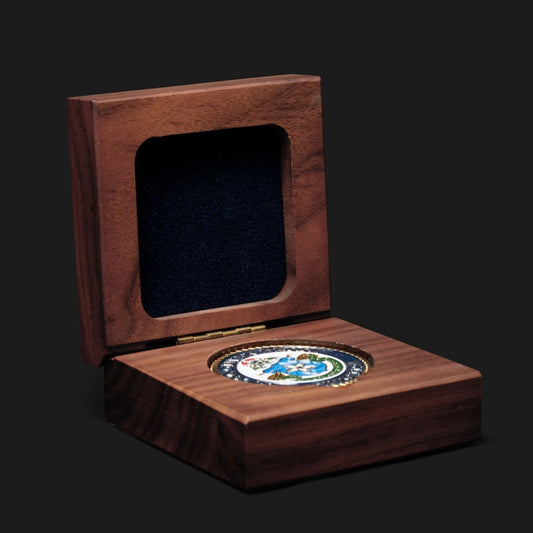
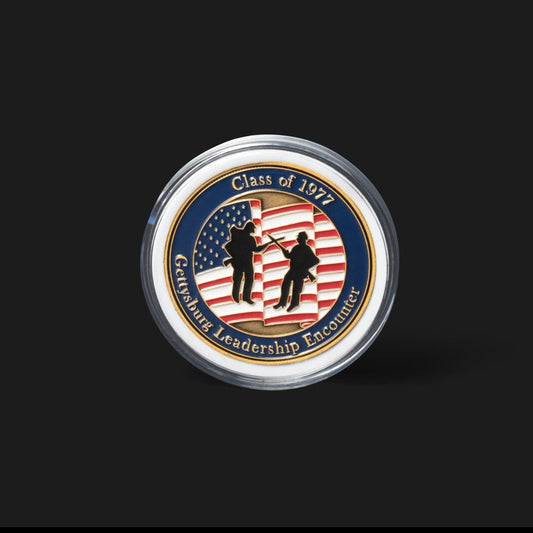
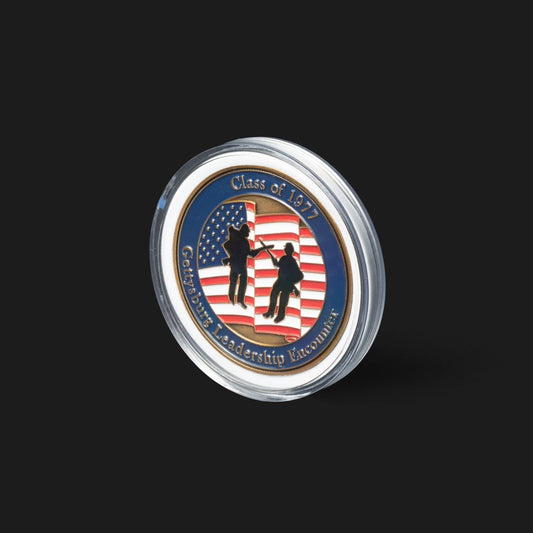
Diplomatic recognition often draws on rich traditions to make praise more impactful. One time-honored tradition that many embassy leaders have adopted is the awarding of custom challenge coins to honor exemplary service. Originally a military custom, challenge coins have become a powerful diplomatic recognition tool because they carry a sense of gravitas and legacy. These coins are custom-designed with symbols, mottos, or insignia that represent the issuing nation and mission, making them deeply meaningful to recipients. An embassy staff member who receives a challenge coin from their ambassador isn’t just getting a pat on the back – they’re receiving a tangible token of appreciation that aligns with a proud tradition of honor.
Carrying Forward a Tradition of Honor
The practice of presenting coins as a sign of appreciation and camaraderie has roots stretching back decades in the U.S. government and military. Embassy and State Department officials, much like military commanders, have embraced this tradition as a way to acknowledge service in a manner that feels official yet personal.
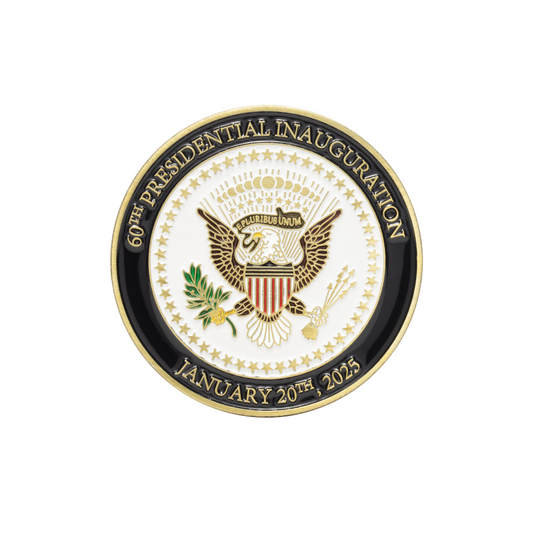
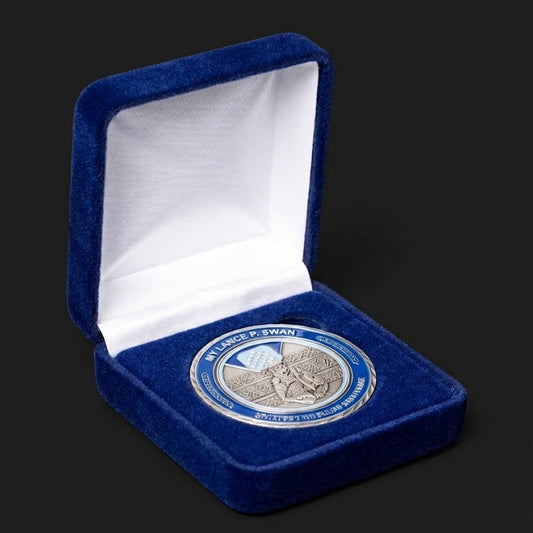
One example is a U.S. Embassy coin from Ottawa, Canada, which features the United States Great Seal on one side and the ambassador’s name on the other. Such a coin embodies the dignity of official recognition and is given in moments of gratitude to those who go above and beyond. Presenting coins is a customary practice for military and government leaders – U.S. Presidents and diplomats alike have used them as symbols of welcome and honor. That quiet handshake exchange creates a memorable moment and links the recipient to a larger legacy of service.
Making Recognition Tangible and Memorable
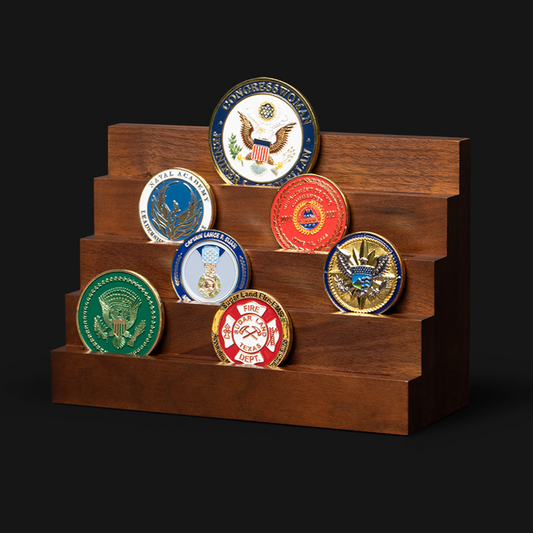
A challenge coin is more than an award – it’s a keepsake an honoree can hold years later and think, “My work mattered.” This tangible quality sets coins apart from a quick verbal praise or a certificate that gets filed away. Many diplomats proudly display the coins they’ve earned on their desks or shelves, where each piece tells the story of a mission accomplished. The coin’s physical weight reinforces the achievement's weight. In an age of fleeting email kudos, the solid presence of a metal coin stands out as a lasting reminder of respect, quietly motivating continued excellence.
When other colleagues see a coin being awarded, it sets a benchmark of excellence and can inspire a healthy motivation to excel. The small token carries big meaning, often sparking conversations that reinforce a culture of appreciation. In this way, a single coin serves not only as a personal morale booster but also as a team motivator.
Celebrating Culture and Identity in Design
A unique advantage of custom coins is the ability to incorporate cultural and organizational identity into the design. Embassy leaders often work with designers to craft coins that include official emblems like the Great Seal alongside elements of the host country or the mission. For instance, an embassy coin might feature local art motifs or bilingual text to symbolize friendship between nations. When designers tailor the imagery to the local context, the coin becomes a story – a blend of the diplomat’s home culture and the host country’s heritage in one keepsake.
This attention to cultural detail makes the recognition especially meaningful in diplomacy. It shows that the leadership’s praise is not one-size-fits-all, but mindful of context and partnership. A diplomat receiving a coin adorned with a symbol of their host country knows that their efforts are appreciated in a culturally respectful way. Such gestures reinforce respect between the embassy and the local community as well. In essence, these custom designs allow recognition to double as cultural diplomacy – strengthening bonds by honoring local traditions alongside service.
Strengthening Personal Connections and Pride
The moment an embassy leader presents a challenge coin is often personal and unforgettable. It might be at the end of a tough project: the ambassador offers a warm handshake and presses a coin into the employee’s palm. This simple gesture creates a shared memory and deepens loyalty. Such personal exchanges stand out even in formal diplomatic circles, humanizing the leadership in the eyes of the staff.
Coin presentations also transcend language and rank. An ambassador can wordlessly thank a local staff member with a coin, leaving an impression more powerful than words. The recipient’s pride and sense of belonging grow with each honor. Over time, a drawer full of challenge coins isn’t just a record of feats – it’s a tangible symbol of being valued by one’s leaders. And that knowledge fuels a cycle: team members go above and beyond when they know it will be recognized, and leaders who reward dedication reinforce unity and pride.

Recognition programs for diplomats boost morale and mission success
Formalizing recognition into a structured program can amplify its benefits. When leaders set up regular ways to honor achievements – monthly awards, annual honors, or tokens like challenge coins – it signals that appreciation is part of the organization’s values. This consistency turbocharges morale: staff understand that exceptional work will earn acknowledgment. In turn, motivated teams put in extra effort and maintain composure during crises because they take pride in their work and workplace. Organizations with robust recognition programs even see measurable performance gains – on average, a 14% rise in engagement and an 11% boost in productivity. In an embassy, that can mean crisper execution of initiatives and more creative problem-solving on international issues.
Recognition programs also improve retention of skilled diplomats – crucial for mission continuity. Diplomatic postings rely on long-term relationships, so when valued team members stay, the embassy gains from their experience and local connections. A culture of appreciation further guards against burnout. Diplomatic work can be taxing, with long hours and high stakes, so knowing that leadership notices their sacrifices gives staff a psychological safety net. People are far less likely to burn out when they feel their contributions truly matter.
An embassy that celebrates its people’s wins is better positioned to succeed externally. A harmonious, appreciated team projects confidence and unity to counterparts. A team that’s internally strong and uplifted will represent their country with greater effectiveness, from negotiating treaties to assisting citizens abroad. Making recognition a core part of diplomatic leadership isn’t just about keeping staff happy; it helps the entire mission perform at peak potential.
“These coins are custom-designed with symbols, mottos, or insignia that represent the issuing nation and mission, making them deeply meaningful to recipients.”
Command Challenge Coins Helps Embassy Leaders Honor Service with Tradition
Building on the impact of recognition, Command Challenge Coins works with embassy leaders to craft challenge coins as tangible symbols of honor. Each coin is produced with meticulous craftsmanship, reflecting the honor of diplomatic service. We also integrate cultural elements and official emblems into every design, ensuring the final product tells a story that resonates with giver and receiver alike.
Our approach is professional yet personal, mirroring the dual nature of diplomacy itself. We have extensive experience creating coins for military units, government agencies, and diplomatic missions. The result is a commemorative piece that embassy leaders can proudly present to celebrate milestones, teamwork, or individual heroism. Our custom coins serve as lasting reminders of shared accomplishment and esteem, giving embassy teams a timeless way to say “thank you” that strengthens bonds and upholds the values of service, one coin at a time.