
Vietnam War Veterans Day Recognition That Goes Beyond Words
Renita WingfieldKey Takeaways
- Ask Vietnam veterans how they want recognition, then honor their boundaries with clear opt-in choices.
- Pair Vietnam War Veterans Day thanks with concrete support so recognition feels credible and lasting.
- Use precise, service-accurate keepsakes such as commemorative veteran coins to carry unit ties and service legacy beyond a single date.
Vietnam War Veterans Day asks you to do more than say “thank you” and move on. Lasting recognition starts when you treat each veteran as the authority on their own service story, then follow through with something concrete that matches their comfort level. About 2.7 million U.S. service members served in Vietnam. That scale matters because a one-size message will miss a lot of people.
"Vietnam War Veterans Day recognition works best when it pairs respect with action."
The most meaningful Vietnam veteran recognition has a clear intent: acknowledge the service, respect the complicated homecoming many experienced, and carry military remembrance into practical support and visible legacy. You can do that as a leader in a company, a civic group, a school, or a veterans organization. You don’t need a huge budget, but you do need discipline and care. Small execution details decide if recognition feels sincere or performative.
What Vietnam War Veterans Day honors and why it matters
Vietnam War Veterans Day, observed on March 29, honors those who served during the Vietnam War era and recognizes their return home. The day matters because many veterans didn’t receive public support when they came back. Military remembrance on this date works when it acknowledges service without rewriting personal history. Your goal is respectful recognition that feels steady, not loud.
Start with what the day is meant to do: recognize service members, highlight unit pride, and create space for communities to say, “We see what you carried.” A short statement at an event can do that, but the tone has to fit the audience. Some veterans want public recognition, while others prefer privacy and a quiet handshake. Respecting that range is part of honoring Vietnam veterans.
Leaders also need to remember that this day can bring up strong emotions for families, coworkers, and friends. That doesn’t mean you avoid recognition, it means you plan it with care. Plain language helps, especially when you’re speaking to mixed audiences who don’t share military context. Clear, grounded remarks beat dramatic storytelling every time.
Start with listening and asking veterans how they want recognition
Listening is the first step because recognition that isn’t invited can feel like pressure. Ask veterans what feels respectful, what feels awkward, and what they’d rather skip. Keep the questions practical and give people an easy way to decline. The best recognition honors autonomy as much as service.
Use simple questions that give veterans control over format, timing, and visibility. Keep the conversation private unless they choose otherwise, and avoid putting someone on the spot during a meeting. If you’re leading an organization, offer an email option so people can respond without speaking in front of peers. A short intake step prevents well-meant gestures from turning into unwanted attention.
- Do you want recognition in public or in private?
- Are there any words, topics, or images you want avoided?
- Who should be invited, and who should not?
- Do you want unit details mentioned or kept general?
- What kind of keepsake or follow-up would feel meaningful?
Listening also helps you match recognition to the person’s life now, not just their history. Some veterans want their professional team to understand their service; others want a boundary between work and military identity. Treat those preferences as normal, not as obstacles. A respectful process becomes part of the recognition itself.
Plan gatherings and ceremonies that respect comfort and boundaries

Gatherings work best when they are structured, time-bounded, and optional. Set clear expectations for speaking, photos, and applause so nobody feels ambushed. Build in quiet exits and avoid surprise tributes.
A practical format is a 30-minute midday event with a brief opening, a moment of silence, and a single invited speaker, followed by informal conversation where veterans can opt in or step away. Seating at round tables helps reduce the “everyone staring” feeling, and a posted agenda prevents awkward pauses. Photo policy needs to be explicit, especially with social media. A simple sign-in and a “no photos unless you’re asked” rule can prevent lasting regret.
Strong boundaries matter because service can leave lasting effects that don’t show on the surface. About 30% of Vietnam veterans have had PTSD in their lifetime. Recognition planners should treat that as a reason to reduce sensory intensity, avoid graphic storytelling, and keep control with the veteran. Comfort is not a “nice to have,” it is part of respect.
"Recognition should feel safe and controlled, not like a test of gratitude."
Pair public thanks with practical support for veterans and families
Public appreciation lands better when it is paired with something that helps. Practical support can include time off for medical appointments, help connecting to benefits, or a vetted donation to a local veterans group. Families count too, since many carried the strain of deployments and reintegration. Recognition becomes credible when it shows up in policy and follow-through.
Workplaces can review HR policies for military leave clarity, make employee assistance resources easy to find, and train managers to respond respectfully when veterans share their service history. Community groups can focus on transportation help, home repair days, or meal support that is offered without pity. Schools can invite veterans to share lessons only when they choose, and they should offer question prompts that avoid stereotypes. The point is to move from a moment to a pattern.
|
Recognition choice |
What it communicates when done well |
|---|---|
|
A short scripted statement from leadership |
Service is recognized without making veterans perform or relive details. |
|
Optional small-group gathering with a clear agenda |
Participation is respected, and boundaries are treated as normal. |
|
Practical support such as flexible time and benefits help |
Recognition has substance and supports the person’s life now. |
|
Family-inclusive invitation with opt-in attendance |
Service is seen as shared sacrifice without assuming family preferences. |
|
A lasting keepsake tied to unit identity or values |
Memory is preserved in a way that outlives a single ceremony. |
|
Follow-up check-in a week later |
Gratitude isn’t performative, and care doesn’t end after the event. |
Use commemorative veteran coins to mark service and unit ties
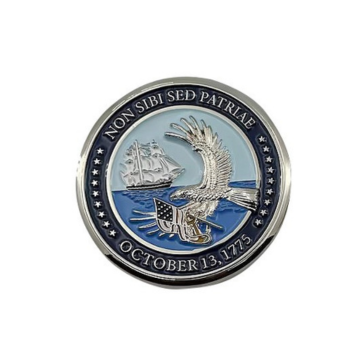
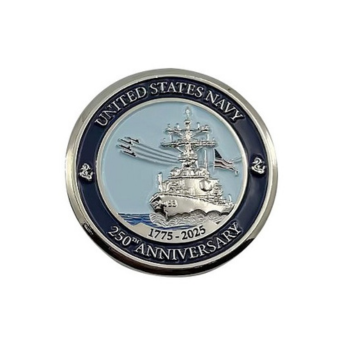
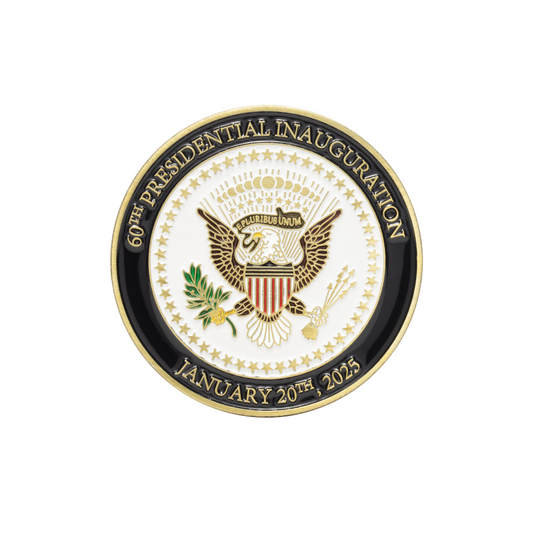
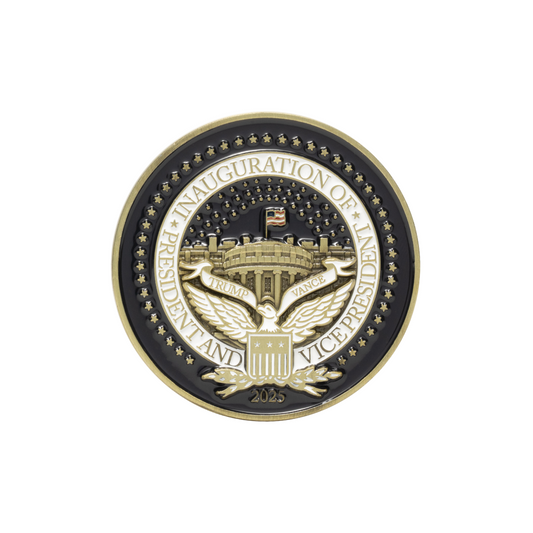
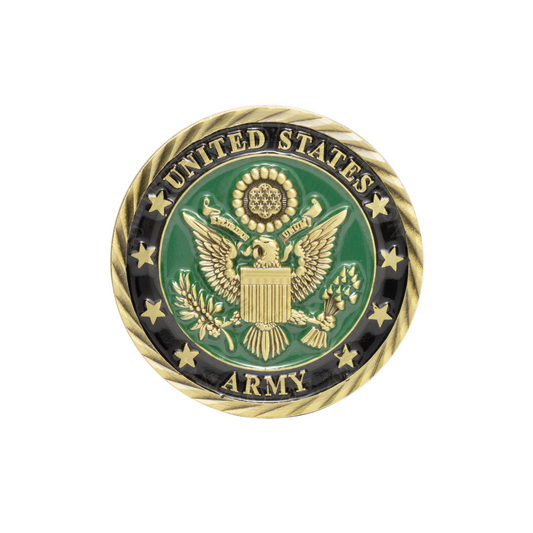
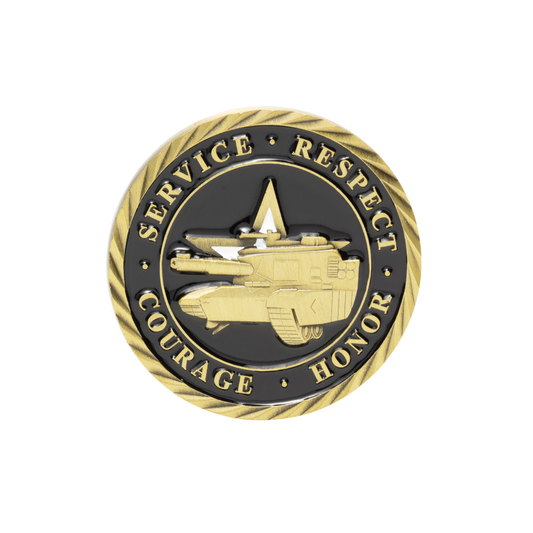
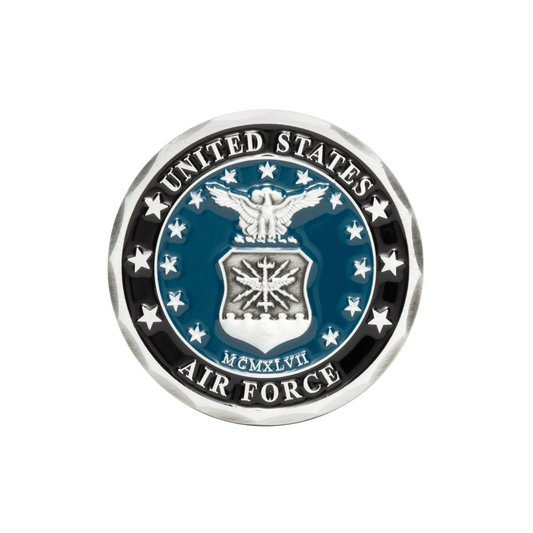
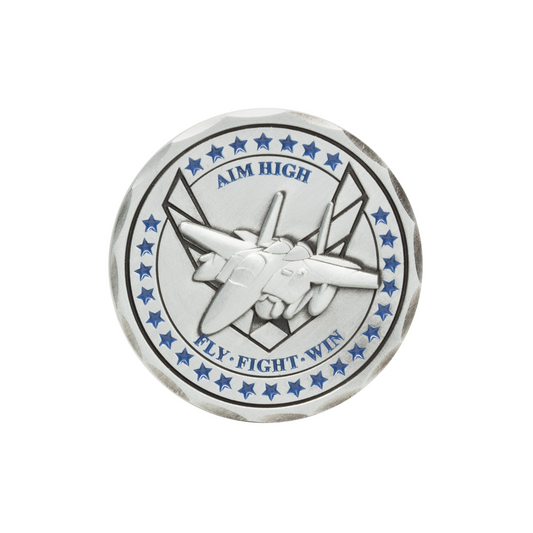
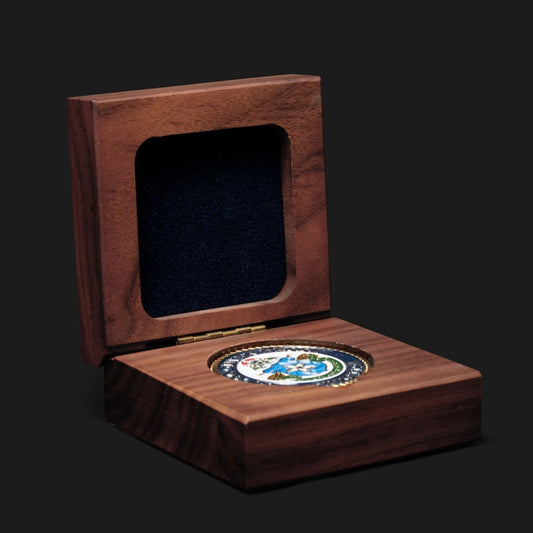
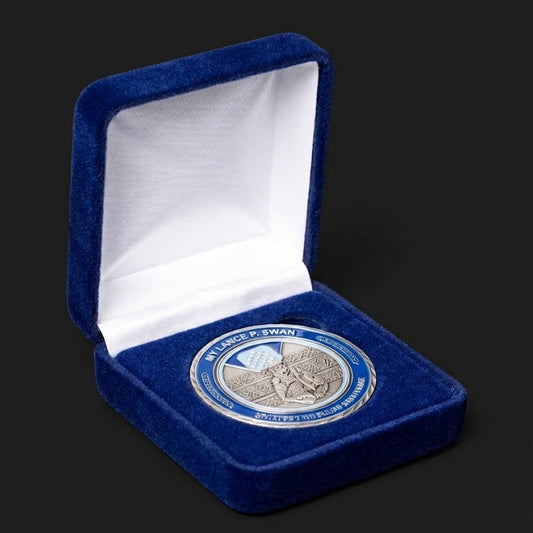
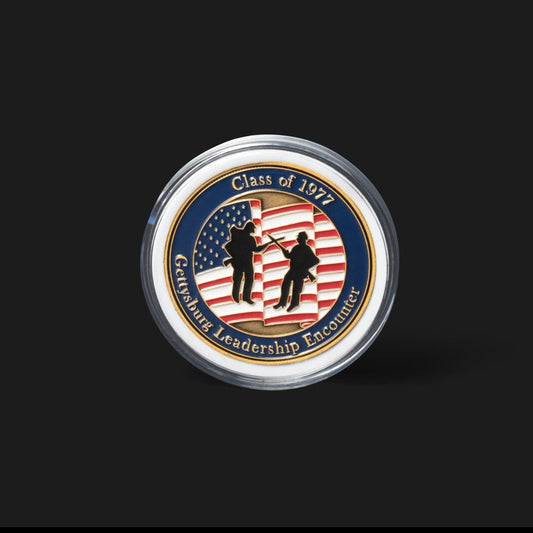
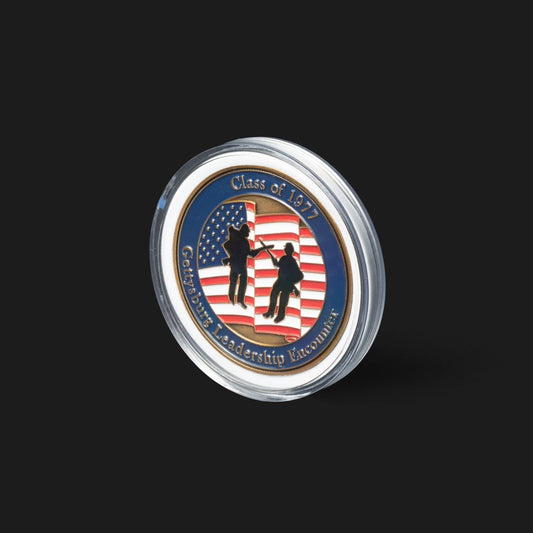
Commemorative veteran coins work because they are tangible, specific, and easy to keep. A coin can represent unit pride, shared language, and a moment of earned recognition without requiring a speech. Done right, it signals that service was seen and remembered accurately. Done poorly, it becomes generic swag, so intent and design matter.
Coins fit Vietnam War Veterans Day because they can carry details that words often miss, such as unit insignia, years of service, a motto, or a value like duty. They also avoid the awkwardness of trophies, which can feel like a contest. A coin is closer to a handshake you can hold onto. That physical reminder matters long after the event ends.
Keep the recognition grounded in the veteran’s service record and preferences. Some veterans want explicit Vietnam references; others prefer “Vietnam era” language or unit-focused symbols. Ask first, then match the keepsake to what the person will actually display or carry. The best coin becomes a quiet anchor, not a conversation trap.
Design and present keepsakes that reflect dates, roles, and values

Keepsakes become meaningful when they reflect accurate service details and are presented with calm respect. Focus on a few design elements that matter, then keep everything else clean and readable. Presentation should be brief, personal, and consent-based, with no surprise storytelling. Precision beats volume, and restraint reads as confidence.
Start with the minimum set of details that make it “theirs,” such as branch, unit, name if desired, and service years, then add one value statement that fits the group’s tone. Metal finish, edge style, and enamel color should support legibility, not compete for attention. If you’re coordinating production, a maker that understands military conventions will help you avoid mismatched insignia or incorrect terminology. Command Challenge Coins is one example of a shop that can translate unit requirements into clean artwork while keeping approvals tight and organized.
Presentation etiquette matters as much as design. Keep remarks short, give the veteran the option to accept privately, and avoid turning the moment into a photo session. If you’re honoring a group, present coins in the same order each time, such as by unit or years of service, so the process feels fair and predictable. A consistent standard signals respect for the whole group, not just the loudest voices.
Keep the service legacy visible after Vietnam War Veterans Day
Service legacy lasts when recognition becomes a habit, not a date on the calendar. Follow up after the event, document what veterans approved for sharing, and keep a respectful record for future leaders. The goal is a stable culture of military remembrance, not a once-a-year performance. Consistency is what earns trust over time.
Simple follow-through works: send a private note, ask how the recognition felt, and capture improvements for next year. If your organization keeps a memorial display, confirm that names, units, and terms are accurate and approved. Avoid “surprise” social posts and ask for permission before sharing photos or service details. Quiet reliability will matter more than any speech.
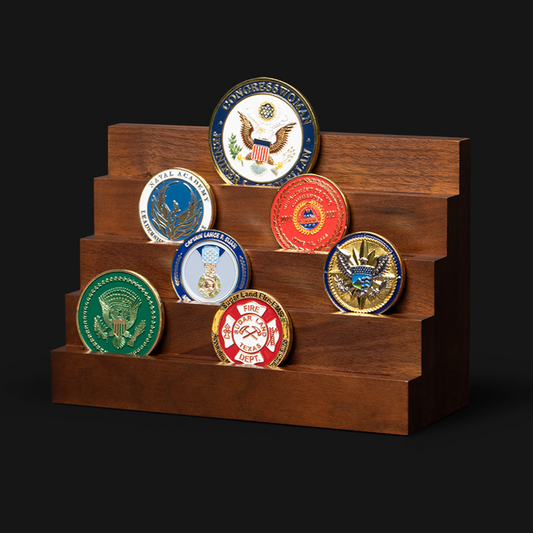
Long-term recognition also benefits from durable symbols that don’t rely on perfect wording. A well-made coin, plaque, or medal becomes a stable reminder that can be handed down or kept close, and it reduces the pressure on a single ceremony to get everything right. Command Challenge Coins fits into that kind of disciplined execution when you need consistent quality and accurate service details, but the standard you set internally will decide how honored veterans feel. Get the basics right, treat consent as nonnegotiable, and your recognition will stand up over time.