
Why Made In USA Challenge Coins Matters
Renita WingfieldKey Takeaways
- Origin sets who owns the process and who answers when something fails.
- Specs you can verify, like thickness and plating, shape how a coin holds up.
- Total cost is shaped by proof speed, rework control, and schedule risk, not just unit price.
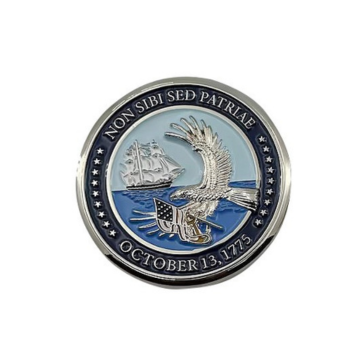
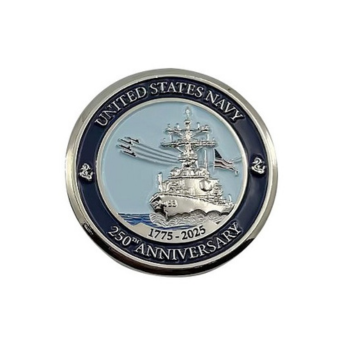
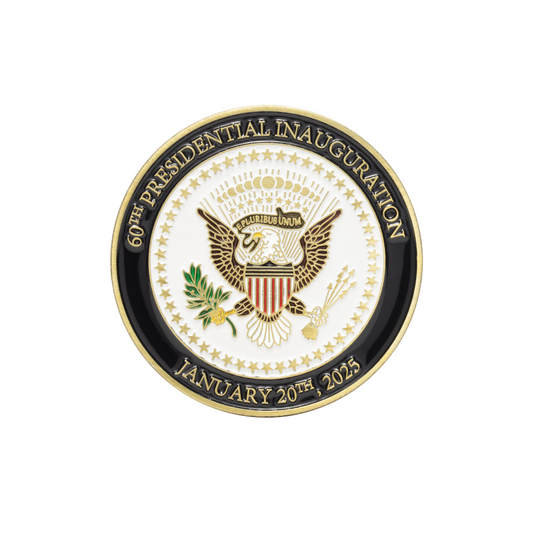
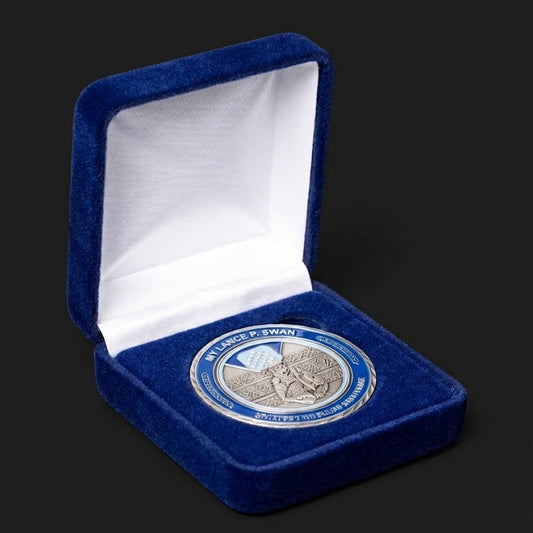
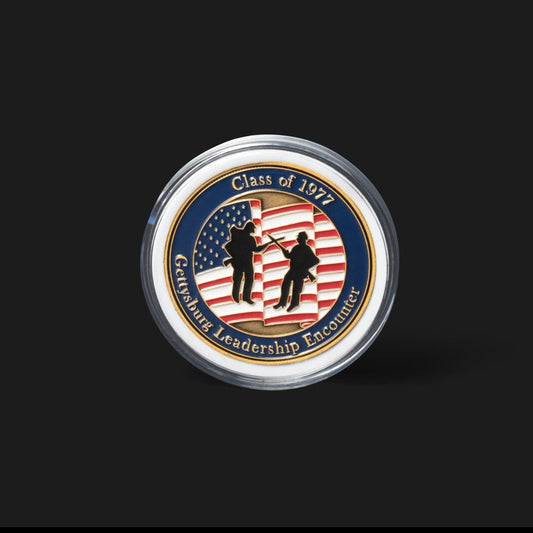
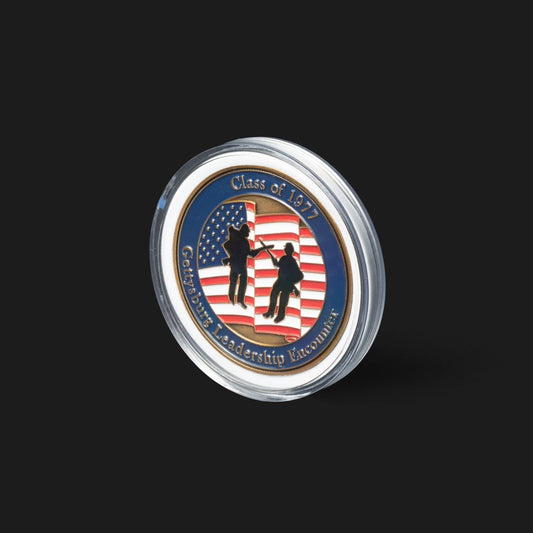
Made in USA challenge coins give you tighter control over quality, materials, and delivery, so the coin you hand out matches the moment you’re honoring. Origin is not a political talking point here. It’s a production choice that affects proofs, rework, finish, and how confidently you will attach a seal or unit crest to the final piece. If the coin is meant to last, the path from metal to handoff matters.
Counterfeit and pirated goods accounted for as much as USD 464 billion, or 2.5% of global trade, in 2019. That scale exists because supply chains hide substitutions and shortcuts. A recognition coin is small, but it carries meaning, insignia, and a reputation. Choosing domestic production is a practical way to reduce surprises and raise accountability.
What made in USA challenge coins actually mean for buyers
Made in USA challenge coins should mean the key production steps happen in the United States, not just final packing. You’re buying traceability as much as a product. A serious vendor will tell you where dies are cut, where striking happens, and where plating and inspection happen. Those answers create expectations you will point back to.
An agency ordering coins with an official seal for a graduation will want a clear origin story. Ask for a step-by-step production path, not a slogan. The questions below show where control sits and who is accountable. Clear answers also speed proof approvals.
- Where are the dies made and stored?
- Where are blanks struck and how is thickness checked?
- Where is plating done and which finishes are offered?
- Who checks enamel fill and what triggers a redo?
- What records support an unqualified made in USA claim?
Claims also have a legal meaning, not just a marketing one. The FTC’s “all or virtually all” standard pushes makers to avoid loose language and keep records. You don’t need a law degree to benefit from it. You need a vendor willing to show the process.

How domestic manufacturing protects quality control and consistency
Domestic production protects quality because feedback loops are short and inspection is close to the press. Problems get caught earlier, and fixes happen before a full run ships. Consistency improves when the same shop controls die maintenance, plating baths, enamel mixes, and final packaging. That control is hard to match across multiple overseas handoffs.
Picture a 2.0-inch coin with a tight 3D crest and small lettering around the rim. One proof comes back with softened detail and a slightly off enamel color. A US shop will recut a die line, adjust fill, and pull a new sample without waiting on international freight. That speed saves the date on the ceremony calendar.
Quality control also becomes more predictable across reorders. Units reorder the same coin for a second class, a new shift, or an annual award. Domestic makers keep dies on file, log tolerances, and reliably repeat a finish. Vendors like Command Challenge Coins use those controls to keep proofs, strikes, and inspection aligned when the design has fine detail and strict color needs.
"Domestic production protects quality because feedback loops are short and inspection is close to the press."
Why origin affects materials weight finish and long term durability
Origin affects durability by influencing material options, thickness, plating standards, and the care with which each layer is applied. Heavier base metals and consistent thickness make a coin feel substantial and reduce edge dents. Plating quality affects how quickly a coin tarnishes, scratches, or shows pits. Small shortcuts show up after a few months in a pocket or display case.
A 2.5-inch coin comes in thicker brass with a crisp raised edge, or in thinner alloy with more flex. The two coins will look similar in a photo, but they won’t feel the same in hand. A hard enamel fill that’s polished smooth will resist snagging and grime better than a soft fill that sits low and chips at the edges. Those choices change how the coin holds up in daily carry.
Finish choices also carry tradeoffs you should decide upfront. Antique finishes highlight relief but will mute fine text if the strike is shallow. High-polish finishes show detail but will reveal scratches sooner if the plating is thin. Domestic production offers clearer specs and tighter thickness control, making these trade-offs easier to manage.
Labor standards and accountability behind american made challenge coins
American made challenge coins come with clearer accountability because labor and production records are closer to you and easier to verify. That matters when the design includes an agency seal, a unit insignia, or a memorial name. Procurement teams also benefit from domestic documentation when a purchase needs approval or audit support. Accountability is part ethics, part risk control.
A city fire department ordering coins for a tribute will treat the piece as more than a giveaway. The vendor will need to confirm how art files are protected, how dies are handled, and who has access to the design. Those details reduce the chance a design leaks, gets copied, or shows up on an unauthorized listing. The same checks apply to department badges and unit marks.
Counterfeits are not a theoretical issue. During FY2023, U.S. Customs and Border Protection reported seizing $2.8 billion worth of IPR-infringing goods at U.S. borders. Domestic production won’t eliminate risk, but it will sharpen accountability. When something goes wrong, you will know who touched the job and what step failed.
Supply chain reliability and lead time control with US production
US production improves schedule control by eliminating ocean freight, customs holds, and long-distance rework cycles. Lead time becomes a planning exercise you control, not a gamble you absorb. Proofs move faster, revisions clear faster, and final shipping is simpler. That reliability matters most when the event date is fixed and public.
A training graduation set for three weeks out leaves no room for a second international proof cycle. A domestic shop will overnight a sample, adjust a color fill, and still keep the main run moving. Timing also gets easier when a commander asks for a last-minute name change or a date correction. Local production keeps those edits from turning into a full reset.
Reliability also protects your budget. Rush shipping, rework, and event delays cost real money, even if the per-coin price looked low at checkout. Domestic production shifts effort to the front, where you review proof details, confirm specs, and lock the run. That reduces the chance you’ll pay twice for a problem you didn’t cause.

Cost differences and value tradeoffs buyers should expect
Made-in-USA challenge coins cost more per unit, but they reduce costs associated with defects, delays, and reorders. The right comparison is total cost and risk, not just the invoice line. Domestic production prices labor and compliance more directly. Overseas production wins on unit price when timelines are loose and the design is simple.
A 300-coin order for an awards banquet clearly shows the trade-off. Saving $1.50 per coin looks great until a finish mismatch forces a remake and the event date doesn’t move. Paying more upfront will be cheaper when the schedule is firm and the coin carries official marks. Your choice should match the stakes of the moment.
"The right comparison is total cost and risk, not just the invoice line."
|
Checkpoint |
US production |
Overseas production |
Why it matters |
|
Proof revisions |
Short turnaround |
Longer turnaround |
Corrections stay on schedule |
|
Defect rework |
Local redo |
Harder redo |
Less risk of missed dates |
|
Finish repeatability |
More consistent |
More variable |
Reorders match earlier runs |
|
Shipping and customs |
Simple |
Complex |
Fewer surprise delays |
|
Documentation |
Easier to provide |
Harder to verify |
Claims stay defensible |
Common misconceptions about overseas versus US made challenge coins
Overseas coins are not automatically bad, and US made coins are not automatically perfect. The real difference is control and accountability, not geography alone. A cheap coin will still look good in a photo, and a domestic coin will still fail if specs are vague. Clear requirements and a vendor who will document the work will decide the outcome.
Some buyers assume “made in USA” means every component is domestic. The FTC standard is stricter than most buyers expect, but it still allows negligible foreign content in some cases. Another common belief is that overseas always saves money. Hidden costs show up as proof delays, finish drift, and reorders that don’t match.
The strongest approach is to treat origin as one filter inside a disciplined buying process. Origin matters, but documentation and inspection matter more. Ask for the work path, confirm thickness and finish, and require a proof you feel ready to approve. Command Challenge Coins fits into that mindset by keeping production details explicit and tying every choice back to inspection, timing, and the meaning of the coin you’re handing out.