
How leadership teams use challenge coins to recognize performance
Renita WingfieldKey Takeaways
- Leadership recognition coins work as a performance signal only when scarcity, criteria, and awarding authority stay consistent across leaders.
- Corporate award coins should tie to specific behaviors and measurable impact, then be presented with a short, concrete citation that teaches the standard.
- Program credibility depends on execution discipline, including durable coin design, a simple award log, and periodic reviews that correct drift before the coin turns into swag.
Most recognition programs fail for a simple reason: the message gets fuzzy as the program scales. A coin works because it is small, permanent, and socially legible, but only when your leadership team protects its meaning through criteria, timing, and presentation. Only 23% of employees report being engaged at work, which makes high-signal recognition more than a nice gesture for retention and execution focus. Leadership recognition coins and corporate award coins fit best as a selective tool that turns stated values into observable standards.
"Challenge coins recognize performance best when leaders award them with clear standards and restraint."
Define corporate challenge coins and what recognition they signal
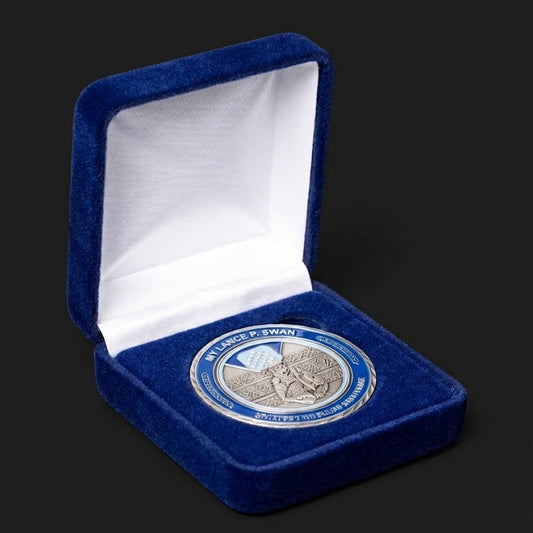
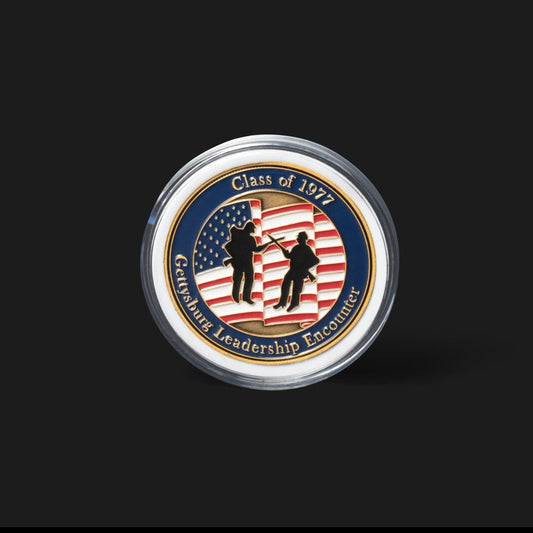
A corporate challenge coin is a leader-issued token that marks a specific contribution as “this is the standard.” It signals notice from leadership, not popularity or tenure. The coin becomes a portable record of trust, usually tied to a team value, a mission outcome, or a hard behavior under pressure.
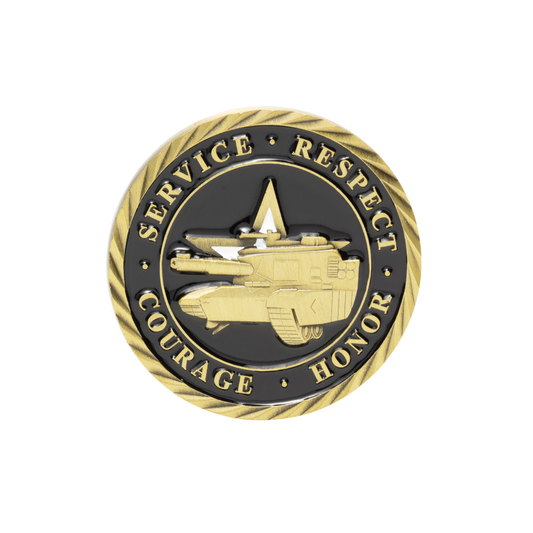
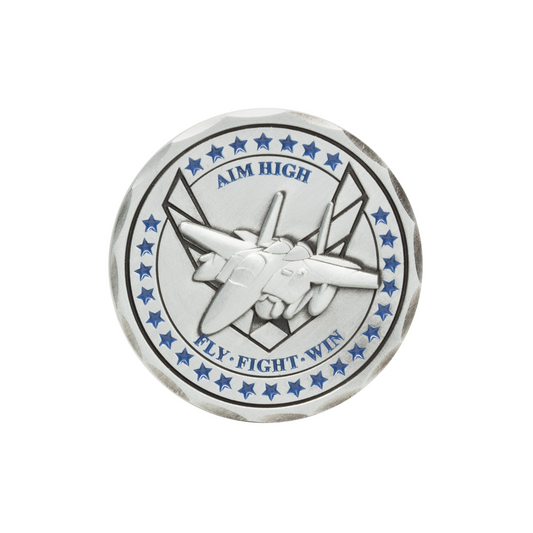
Challenge coins carry a long tradition from military and public service units, and that origin matters because it frames the coin as earned, not purchased. In corporate settings, the signal is strongest when the coin is rare enough that people can recall why it was awarded. The goal is not to replace pay, bonuses, or formal awards. The goal is to create a durable social marker that keeps performance expectations visible after the meeting ends.
That signal has a second layer that leaders often miss. A coin can also communicate membership in a leadership story, meaning “you acted like one of us when it counted.” That is why careless distribution turns coins into desk swag. Treating the coin as a credential keeps it aligned with serious performance recognition rather than general appreciation.
Choose performance moments leaders can recognize with award coins
The best moments for a coin are tied to outcomes and behaviors that your team wants repeated. Leaders should select moments with a clear “before and after” impact, such as preventing a customer loss, protecting uptime, or improving cycle time. Coins also fit behavior that is hard to measure but easy to describe, like calm incident leadership.
Start with moments that sit at the intersection of risk and choice. A coin carries weight when the recipient had options and chose the harder, better path. Think about cross-functional actions that reduce friction, not just heroic individual effort. Add a bias toward actions that improved quality, safety, reliability, or customer trust, since those are easy for others to learn from.
Focus first on a small set of coin-worthy categories and keep them stable for a year. Too many categories create debate and slow recognition until it becomes stale. A simple program also helps your leaders stay consistent across regions and teams. Consistency matters more than volume, because inconsistency teaches people to ignore the signal.
Set clear criteria and approval steps for leadership coin awards

A coin program stays credible when leaders define who can award coins, what earns them, and how the decision is recorded. Scarcity is part of the mechanism, so the program needs controls, not just good intent. Approval steps also protect fairness when multiple leaders recognize work across the same teams.
Define awarding authority in plain language, such as “directors and above can award,” or “only incident commanders can award the reliability coin.” Require a short write-up that captures the behavior, the impact, and the value it demonstrated. Store those write-ups in the same place you store other recognition, so HR and leadership can audit patterns and address gaps.
- Can you describe the behavior in one sentence without buzzwords?
- Would a neutral peer agree the impact was meaningful?
- Did the recipient control the action, not just the outcome?
- Does the award reinforce a published standard or team value?
- Will the story teach others what “good” looks like?
"The coin’s job is to make standards sticky, not to replace performance management."
|
Program checkpoint |
What it communicates to employees |
How to keep it credible at scale |
|
Named criteria tied to values and outcomes |
Recognition rewards repeatable standards, not personal closeness |
Use a short form that captures behavior, impact, and value |
|
Limited awarding roles and defined quotas |
The coin is rare enough to mean something |
Allocate coins per leader per quarter and track usage |
|
One-step peer nomination with leader decision |
Leaders listen, then choose based on standards |
Require nominators to state impact and evidence in two lines |
|
Central log of awards and short citations |
Awarding is transparent and consistent across teams |
Review distribution quarterly for role, team, and location balance |
|
Escalation path for sensitive recognition |
Ethics and confidentiality are part of performance |
Route customer, security, and HR cases to a small review group |
Design coins that match values roles and achievement levels

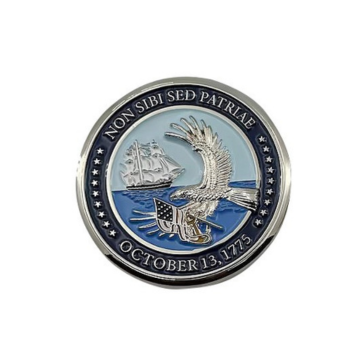
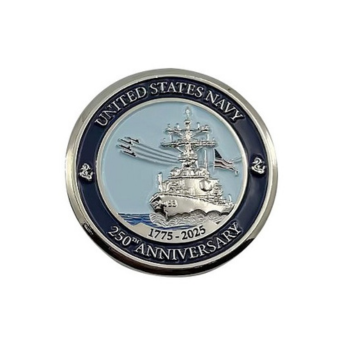
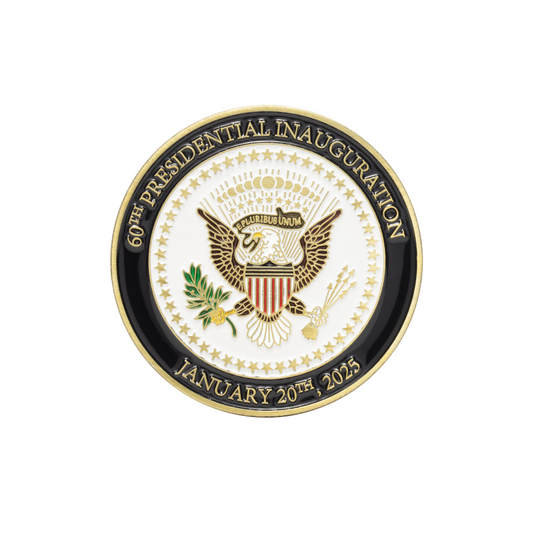
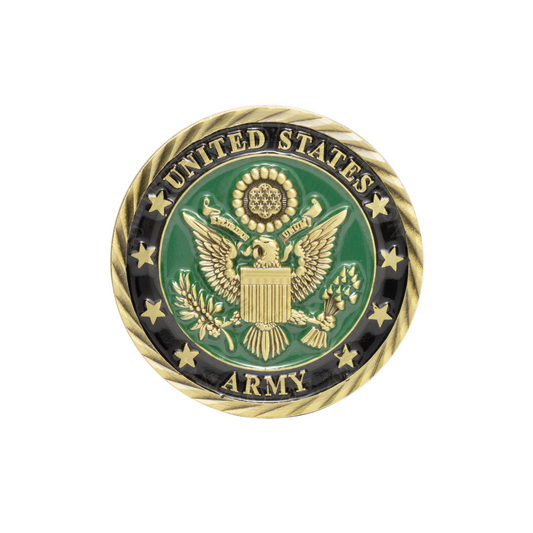
Coin design should make the reason for recognition legible without a long speech. Strong designs link the front and back to a value, mission, or operating principle, then add details that match role and achievement level. A consistent design system also prevents the program from feeling random across business units.
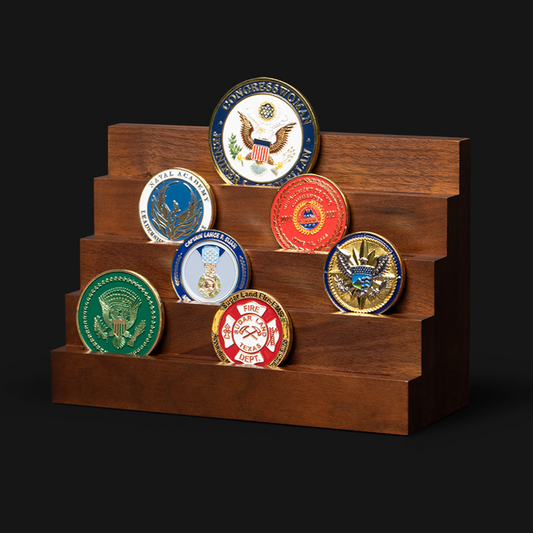
Decide what must stay consistent across all coins, such as your logo, a value set, or a common edge text format. Then decide what will vary, such as metal finish, color, or a unique icon for each value. Tiering works best when it is obvious and modest, such as bronze for team impact and silver for company impact, since too many tiers start to look like ranks. Numbering a limited run can reinforce scarcity without making the coin feel like a collectible gimmick.
Coin makers can help translate a design system into production-ready artwork, and teams often use a partner such as Command Challenge Coins for die lines, plating recommendations, and proof review. Quality matters because thin metal, poor enamel fill, or inconsistent color sends the opposite of the message you want. Consistent craftsmanship protects the story your leaders are trying to tell. A coin should feel like it will still matter on someone’s desk five years later.
Present coins in ways that reinforce trust and team standards
Presentation is part of the award, not a separate step. The leader’s words should name the behavior, connect it to a standard, and state the impact in plain terms. A coin handed out casually can still work, but a coin handed out thoughtfully teaches the team what performance looks like.
A COO can make this concrete during a Monday leadership standup after a weekend outage. The recipient is called forward, the COO names the exact call that prevented data loss, and the team hears one clear link to a reliability principle that is already on the wall. The coin is handed over with a brief pause so the moment lands. The team leaves with a shared picture of what “owns the outcome” means during stress.
Public presentation works when the story is safe to tell and when the recipient will not feel singled out for the wrong reasons. Private presentation works when the work involved sensitive customers, security issues, or personal context. Either way, the leader should avoid vague praise and avoid stacking extra rewards into the moment, since that shifts attention from meaning to bargaining. The coin’s job is to make standards sticky, not to replace performance management.
Measure program results and refresh coin practices over time
A coin program should be measured like any other leadership mechanism. Track distribution patterns, collect short feedback from recipients and peers, and look for signals that the program is sharpening standards or drifting into noise. Refresh decisions should protect meaning, not chase novelty.
Start with simple measures you can act on: how many coins each leader awards, how quickly recognition follows the event, and how evenly awards are distributed across roles that contribute to outcomes. Add a qualitative check by sampling a handful of award citations each quarter and asking, “Could someone learn the standard from this?” Culture has direct retention consequences, and toxic culture was found to be 10.4 times more likely than compensation to predict attrition in one large-scale analysis, so signals that shape culture deserve serious measurement.
Refresh the program through governance, not constant redesign. Retire a coin only when its meaning has blurred or when your standards have clearly shifted. Train new leaders on how to write a strong citation and how to present the coin with specificity. The goal is a stable system that keeps its authority even as org charts change.
Avoid common failure modes that make recognition coins feel hollow
Coins feel hollow when leaders treat them as swag, distribute them too freely, or cannot explain what earned them. Favoritism, vague citations, and inconsistent awarding authority all weaken trust. Poor production quality also hurts, since people read the object as a proxy for leadership seriousness.
The most common breakdown is volume creep. A leader gives out coins to “be nice,” other leaders follow, and soon the coin becomes a participation token that no longer marks a standard. The second breakdown is story failure, where the award moment skips the behavior and only praises attitude. A third breakdown is process avoidance, where leaders do not log awards and later cannot defend patterns or address inequity.
Leadership teams that get this right treat coins like a scarce language for performance, and they guard that language through clear criteria, clean design, and consistent presentation. The craft matters, which is why a careful production partner such as Command Challenge Coins fits best when your team wants the physical object to match the standard it represents. Still, the object never carries the meaning alone. Your leaders create the meaning, and disciplined use is what makes a challenge coin worth keeping.