
Why Recognition Matters During Career Transitions in the Military
Renita WingfieldKey Takeaways
- Recognition during transitions protects morale and keeps standards visible when roles shift.
- Timing and specificity matter more than ceremony, because they signal respect and trust.
- Structured recognition habits maintain unit cohesion amid constant turnover and handoffs.
Recognition during PCS orders, reassignment, or promotion will help maintain morale and keep unit standards clear. Career transitions create uncertainty that turns into gossip, resentment, and silent disengagement. Clear recognition stops that slide because it marks what was done well and what gets respected. Leaders who treat recognition as work protect cohesion through constant turnover.
Each year more than 400,000 service members make a PCS. That tempo keeps teams gaining and losing people. Transition stress also competes with training and family needs, and morale dips first. Recognition gives people a clean finish and a clear handoff, so the unit stays steady as people move on.
Recognition anchors identity during rank, role, and unit transitions
Recognition anchors identity when a service member’s title, responsibilities, and chain of command shift. Specific acknowledgment names what you did, why it mattered, and which standard it represented. That framing protects confidence during the first weeks in a new billet. It also prevents the “start over” feeling that makes high performers hold back.
A staff sergeant moving from squad leader to company training NCO can feel invisible on day one. A leader can recognize the last field cycle in front of peers and connect it to the new job by praising planning discipline and care for junior troops. A short note that says “you kept standards high when it was hard” becomes a reference point during the first frustrating weeks. That isn’t sentimental; it’s a practical anchor you can carry.
Recognition also keeps the unit’s identity consistent across turnover. People copy what gets noticed, and they ignore what gets ignored. Clear language about contribution limits confusion about what “good” looks like after a reshuffle. Vague praise teaches vague standards, then standards drift.
“Recognition delivered before a member leaves the footprint carries weight, since it can’t be brushed off as an afterthought.”
Leadership recognition stabilizes morale during PCS and reassignment periods
Leadership recognition stabilizes morale during PCS because it signals you’re still seen while your attention is split. Orders trigger logistics, paperwork, and family strain that can drain pride. A simple, respectful acknowledgment interrupts that drain and keeps effort steady. It also shows the rest of the unit that transitions will be handled with care.
A platoon commander can schedule a short send-off at the final training meeting before the member signs out. The leader can name one clear contribution, thank the family for the hidden work of moving, and state who owns the duties starting tomorrow. That reduces rumor because everyone hears the handoff. The departing member can focus on the move without guilt.
Five leadership actions help maintain morale during reassignment. None require a big ceremony. Each protects the departing member and the team that remains. Repetition beats flair.
- Put a recognition date on the calendar when orders hit
- Assign one owner for awards, notes, and farewell tasks
- Say what the member did that will carry into the next role
- Collect brief inputs from peers and junior troops
- Confirm the handoff plan so work doesn’t stall
Timely recognition reinforces trust between leaders and departing members
Timely recognition reinforces trust because it proves leaders noticed the work while it was happening. People judge sincerity by timing and wording. Recognition delivered before a member leaves the footprint carries weight, since it can’t be brushed off as an afterthought. That trust will follow the leader long after the member departs.
A section chief who starts an award packet the same week a replacement is identified sends a clear signal. The departing member sees effort, not delay, and peers see that performance will be recorded even during busy seasons. A short line in final counseling that thanks a specific choice, like staying late to coach a new driver, lands harder than a generic plaque later. Small timing wins matter too, like a public thank-you after a hard day.
Admin delays happen, but leaders can still recognize on time with words, a letter, or documented counseling notes. Late recognition often feels like the unit forgot, even if the packet shows up months later. Quick follow-through builds a habit of trust. That habit strengthens your authority when correction is needed.

Unit cohesion depends on visible acknowledgment of service and contribution
Unit cohesion depends on visible acknowledgment because it tells everyone who carried the load and why it counts. Public recognition sets standards for the group, not just the person leaving. It also reduces the friction that grows when effort feels unseen. Consistent acknowledgment keeps respect between ranks and sections.
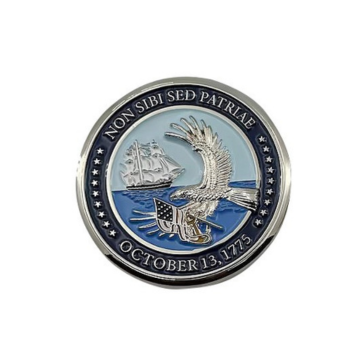
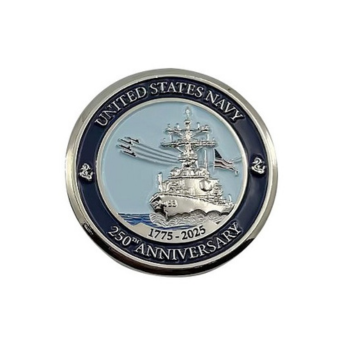
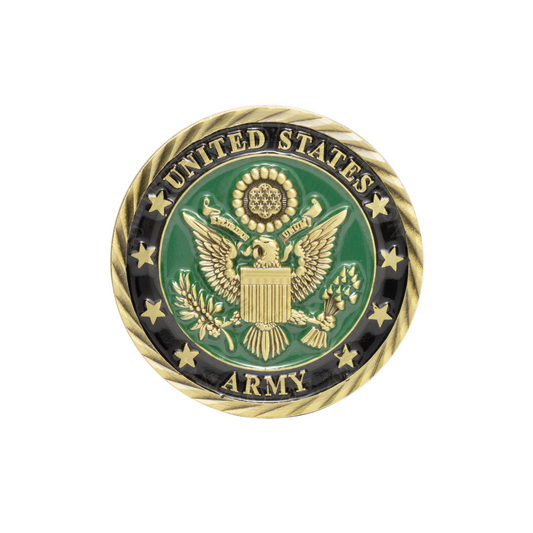
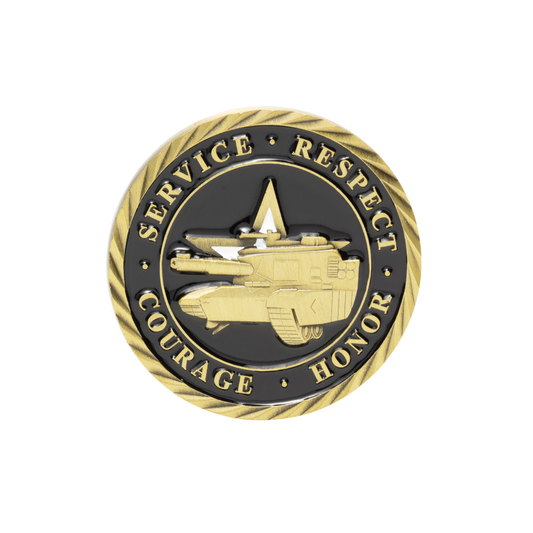
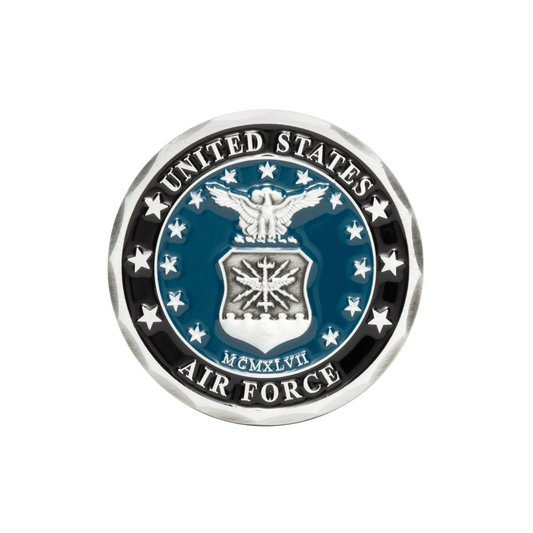
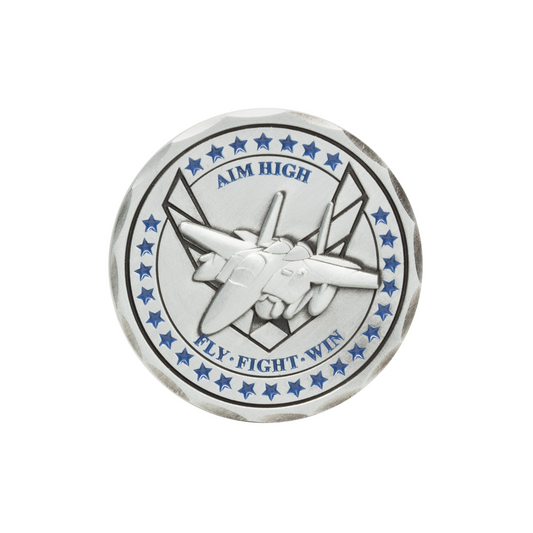
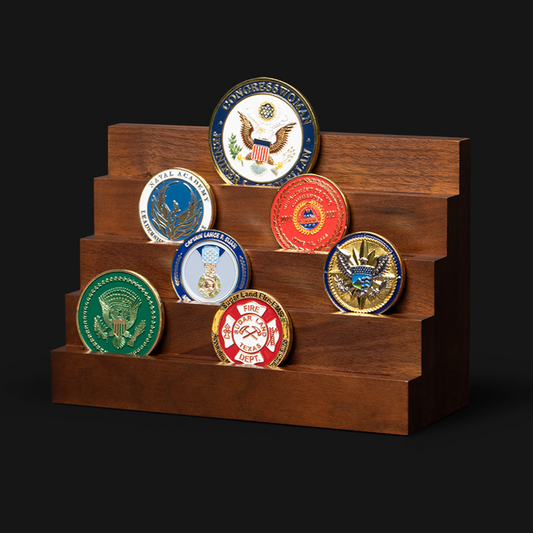
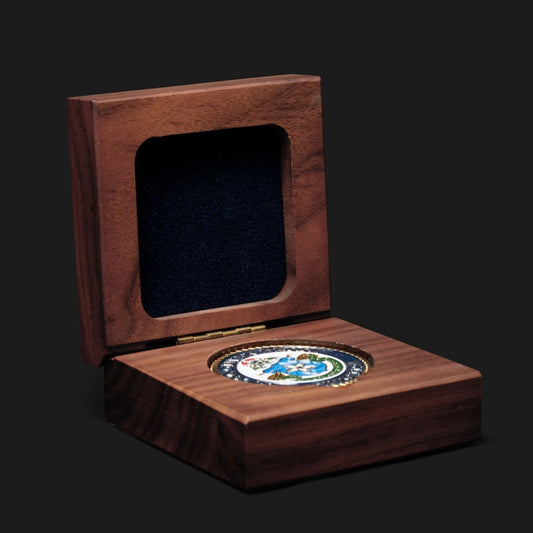
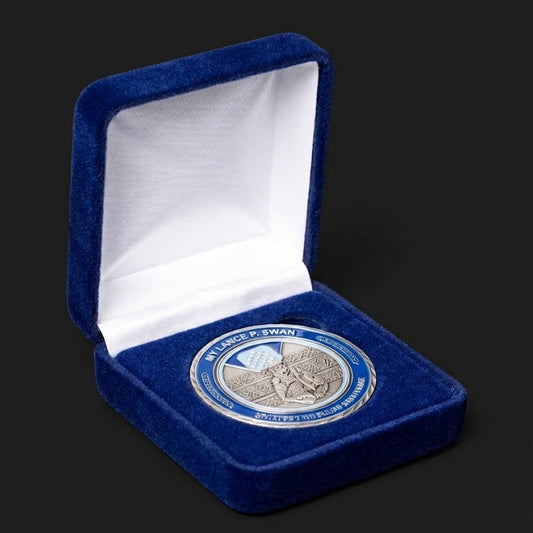
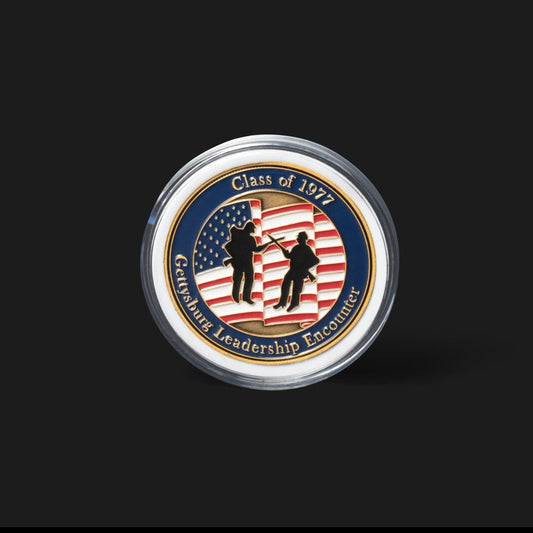
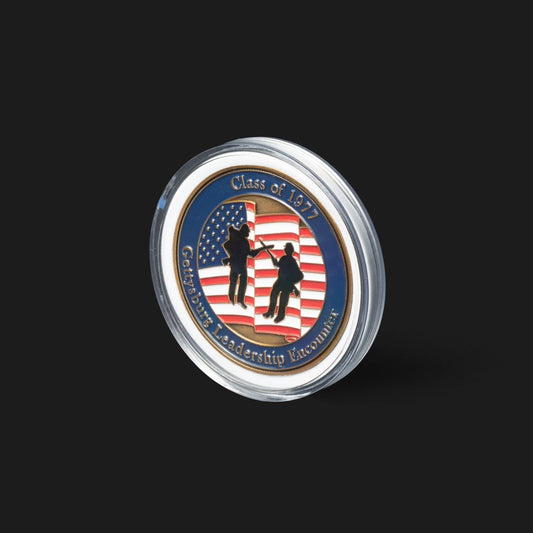
A squad that survives a rough range density week will remember who fixed broken gear and who coached a new rifleman through qualification. When a team leader names those actions at the next formation, peers stop guessing and start trusting the process. Some units mark key transitions with a coin or similar token, handed over in front of the team, so the memory stays tangible. Commanders who use custom coins from Command Challenge Coins get the best result when the coin is tied to a specific standard, not handed out to everyone.
Visibility also protects fairness. People accept that not every job earns the same level of recognition, yet they reject a system that feels random. Leaders should keep criteria clear and timing consistent. Under-recognition weakens cohesion fast.
Recognition practices influence retention during critical transition points
Recognition shapes retention at transition points by forcing a fresh look at commitment. People watch what leaders reward and what they ignore. That signal of value shapes who stays. Reenlistment windows make it loud.
Support reduces the urge to leave, and recognition is a direct signal a leader controls. A meta-analysis found perceived organizational support was negatively related to turnover intentions. Military service is unique, yet cues about respect still matter. Transition periods amplify those cues.
|
Transition moment |
What effective recognition looks like |
What it communicates to the service member |
Common failure that damages morale |
|
PCS orders are issued |
Leader schedules a private conversation to acknowledge recent contributions and explain how the handoff will work |
Your work mattered up to the last day and your exit is planned, not rushed |
Silence until the final week, which signals indifference |
|
Role or duty position change |
Public acknowledgment that links past performance to expectations in the new role |
You earned this change and the unit trusts you with added responsibility |
Treating the move as administrative rather than earned |
|
Promotion or advancement |
Recognition that connects the promotion to specific behaviors and standards |
The rank comes with clear reasons and clear expectations |
Generic praise that feels disconnected from actual performance |
|
End of deployment or major cycle |
Team-level recognition that names individual contributions within the group effort |
Your effort is seen and remembered, not blended into the crowd |
Thanking the unit broadly while ignoring standout effort |
|
Separation or reenlistment decision window |
Recognition that ties service history to future opportunity or continued trust |
Your service has lasting value and purpose beyond the current assignment |
Last-minute or delayed recognition that feels like damage control |
Recognition won’t control retention on its own. Poor recognition weakens every other retention effort. Precision recognition removes one reason good people leave. Transition seasons are when it counts most.
Poorly handled transitions weaken morale more than workload or tempo
Poorly handled transitions weaken morale because they feel personal rather than procedural. Heavy workload is expected, and most people accept it as part of the job. Silence or sloppy recognition suggests sacrifice didn’t register. That sting spreads quickly because everyone watches how the unit treats its own.
A high-performing specialist can depart after two years of carrying an extra duty and get only a rushed handshake in a parking lot. Peers read that moment as a warning about what will happen to them. Another failure is mismatched praise, like calling someone a “model leader” when the team knows corners were cut. Those gaps create cynicism and make honest effort feel pointless.
Leaders can prevent most of this with basic discipline. A consistent farewell standard, a clear awards process, and honest language about contribution will protect morale. Time will stay tight, but skipping recognition rarely saves time later. Low morale shows up as friction and mistakes.

Structured recognition habits support continuity across commands and units
Structured recognition habits support continuity by turning good intent into repeatable actions. Units that rely on memory will miss people, and those misses will stack up across a season. A simple tracker for departures and a template for specific praise keeps recognition fair and timely. That system also helps new leaders step in without having to guess.
“People forgive late emails and missing signatures, yet they won’t forget how they were treated when they left.”
A battalion that establishes a recognition battle rhythm will maintain standards through leadership turnover. The process can include early award triggers, peer input that captures unseen effort, and a short public moment that matches the level of achievement. Durable items also have a place when used with restraint, such as a coin tied to a hard mission set or a long school cycle. The item should never replace clear words from the chain of command.
Disciplined recognition will shape what people say about your unit years later. Some units use a coin from Command Challenge Coins for that final handoff, and it only works when it matches a clear standard. People forgive late emails and missing signatures, yet they won’t forget how they were treated when they left. Recognition during transitions is leadership practice, and it will keep morale and cohesion steady across constant turnover.