
Challenge coins for promotions, retirements, and unit milestones
Renita WingfieldKey Takeaways
- Match the coin to one earned moment and one clear message, so the design stays meaningful and readable.
- Lock purpose, recipient details, and approval authority early, since rework usually comes from late text and insignia changes.
- Plan the coin as part of the ceremony timeline, because presentation timing and packaging shape how the recognition lands.
Challenge coins work best as a form of recognition you can hold, not a generic giveaway. That happens when you treat the coin like part of the ceremony plan, with clear intent, correct insignia, and enough lead time to get approvals and proofs right. U.S. military pay tables span 24 pay grades across enlisted, warrant officer, and commissioned officer ranks, so small mistakes in rank details stand out right away.
"A ceremony coin means the most when the details match the moment."
The strongest coins also respect tradition without getting stuck in it. You can honor a promotion, a retirement, or a unit milestone with a design that stays readable, uses approved marks, and still feels personal to the recipient. When you get those basics right, the coin becomes part of the memory of the day and part of unit identity long after the ceremony ends.
Use challenge coins to mark promotions, retirements, and unit milestones
Challenge coins for military ceremonies work when they recognize a specific achievement and tie it to a unit or leader. Promotions call for a coin that reinforces new rank and responsibility, retirements call for a coin that closes out a career with respect, and unit milestones call for a coin that captures shared service. If the event does not have a clear “earned” moment, skip the coin.
Coins carry weight because they feel official, but they still feel personal. A promotion coin often becomes a pocket reminder of the expectations that come with the new rank, so it needs disciplined rank accuracy and a clean design. A retirement coin tends to live on a desk, in a shadow box, or with other keepsakes, so durability and finish matter more than novelty. Unit milestone coins often get traded and carried across the formation, so consistency and quantity planning become the main concern.
Scope creep is the most common failure. When you try to make one coin cover a promotion, a deployment, and a command team farewell at the same time, the design gets crowded and the meaning gets fuzzy. Pick the single purpose that the ceremony is truly celebrating, then let every design choice reinforce that one purpose.
Set the purpose and recipient before choosing coin design

Start coin planning with the recipient and the ceremony role, then let that drive design and ordering choices. You need to decide who gives the coin, who receives it, and how it gets presented before you lock artwork. Those decisions set the size, edge style, packaging, and how formal the wording should sound. Getting this right first prevents redesigns and last-minute approvals.
- Define the single event the coin is meant to recognize
- Confirm the presenter and the exact presentation moment
- Set a quantity that covers attendees plus a small overrun
- Choose what must be accurate such as rank, unit name, and dates
- Identify who must approve artwork before production starts
Clarity here also protects tone. A commander-to-member coin reads differently than a peer-to-peer coin, and a retirement gift reads differently than a unit issue item. That impacts everything from how prominent a leader’s name should be to if you use a formal motto or a more personal message. It also affects how you handle distribution, since some units control coin presentation tightly while others share coins more freely.
Keep the “must haves” short. Two strong symbols and a short line of text will feel more official than a crowded layout packed with every assignment. A simple rule helps: if you cannot read the main message at arm’s length, the design needs fewer elements.
Design rules for military promotion coins and rank recognition
Military promotion coins should make the new rank unmistakable while keeping the rest of the design clean and readable. Use the correct insignia, confirm the spelling of names and unit identifiers, and keep dates in a standard format that will not confuse later. The front should communicate “what changed,” and the back should communicate “who you serve with.” Precision matters more than flashy effects.
A practical way to keep the design honest is to picture the coin being handed over right after the pin-on. A first sergeant can present the coin, shake hands, and the recipient can glance down and see the new rank immediately, with the unit crest anchoring the story on the reverse side. That one-second read is the test of the layout, since a promotion ceremony moves quickly and the coin has to land its message fast.
Rank-centric designs still need restraint. Oversized rank insignia can crowd out the unit identity, but too little emphasis can make the coin feel like a generic unit token. Favor legibility over tiny details, especially if you plan to use 3D sculpting or a textured background that can compete with the insignia. Always proof against the official rank shape, not a stylized interpretation, since small deviations are easy to spot.
Finish and edge choices should match the formality of the promotion. A classic antique finish reads traditional and photographs well, while high-polish metal can show fingerprints and glare under stage lighting. If the coin will be carried daily, avoid ultra-sharp edges and very deep relief that catches on fabric. Those tradeoffs feel minor at the design stage and feel obvious once the coin lands in someone’s pocket.
Planning retirement challenge coins that honor service and legacy
"Pick the single purpose that the ceremony is truly celebrating, then let every design choice reinforce that one purpose."
Retirement challenge coins work when they honor the person’s career without turning the coin into a résumé. Focus on the retiree’s final unit identity, years of service, and one or two defining themes such as leadership, readiness, or mentorship. Retirement eligibility often starts at 20 years of active service, which makes the occasion a clear capstone that deserves careful wording and careful review.
Plan the content with the retiree early, then keep the final decisions with the unit. Retirees often want to include multiple units, deployments, and nicknames, but the coin has limited space and needs a clear focal point. A clean retirement date range, a final unit mark, and a short message will age well and stay readable in a display case years later.
Personalization also has boundaries. Using a call sign or an inside joke can feel right inside a tight team, yet it can feel out of place at a formal retirement ceremony with family and visiting leaders. A good filter is simple: if the message would confuse the retiree’s spouse or parents, it needs a more respectful, plain-English line. That balance keeps the coin meaningful without turning the ceremony gift into something only a few people understand.
Unit milestone coins for deployments, anniversaries and command transitions
Unit milestone coins should capture shared service and shared identity, not individual biography. Deployments, anniversaries, and command transitions are group moments, so the coin needs consistent unit marks, clear dates, and wording that matches the official name of the event. Security and discretion also matter, so avoid sensitive details that do not belong on a keepsake. Treat the coin like a durable record of the unit’s timeline.
Design choices change based on the milestone type. Deployment coins often highlight the operational timeframe and the unit insignia, while anniversary coins usually focus on lineage and heritage elements. Change of command coins need special care with names and dates, since small errors can create awkward corrections during a formal event. Units also need to decide if a command coin is meant for internal distribution, visitor gifts, or both, since that affects quantity and packaging.
|
Ceremony moment |
What the coin should communicate at a glance |
What usually causes delays or rework |
|
Promotion ceremony |
New rank and unit identity with clean, readable text |
Incorrect insignia details and last-minute name changes |
|
Retirement ceremony |
Career capstone with years of service and final unit pride |
Too many career elements competing for limited space |
|
Deployment milestone |
Shared mission timeframe anchored by official unit marks |
Sensitive location details and unclear event naming |
|
Unit anniversary |
Lineage and tradition with a simple commemorative date |
Heraldry interpretation disputes and crowded layouts |
|
Change of command |
Respect for outgoing leader and continuity of the unit |
Late confirmation of dates, titles, and approving authority |
Ordering timelines approvals and presentation tips for ceremony success

Successful coin projects run on a backward plan from the ceremony date that protects time for approvals, proof review, and shipping. Lock the text early, route artwork to the right approving authority, and keep a single point of contact for revisions so the design does not drift. Build in extra days for unit schedules, since the slow part is usually review time, not manufacturing time. Presentation planning matters as much as production.
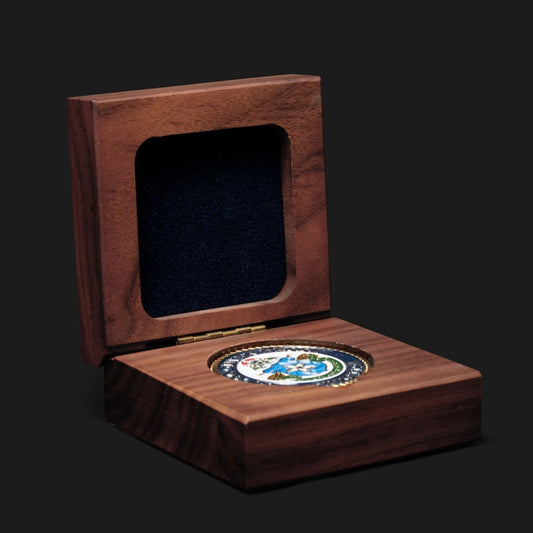
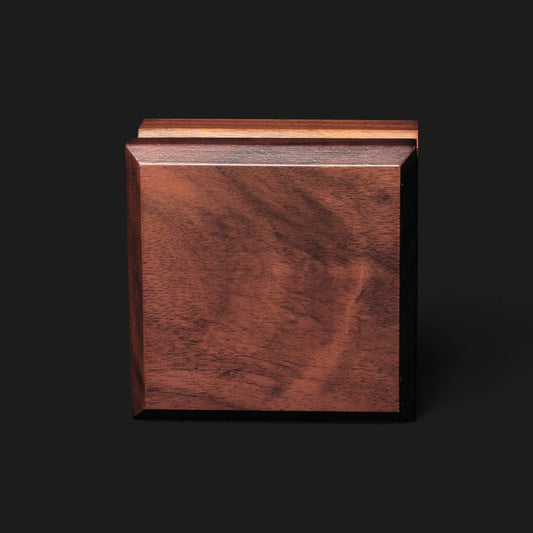
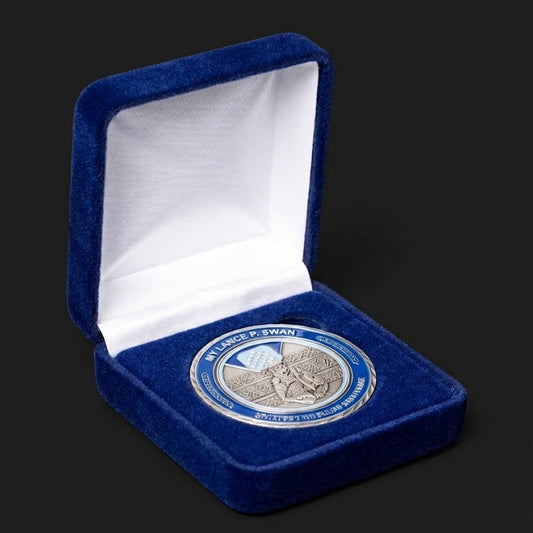
Approval discipline is what keeps you out of trouble. Unit marks, slogans, and leader names should be verified once and treated as final, since small edits late in the process can trigger a new proof cycle. A manufacturer such as Command Challenge Coins typically assigns an art process with proofs and revisions, but you still have to own the internal sign-off chain so the final proof does not bounce around the unit. Packaging should match the moment, since a velvet box reads formal and a simple poly bag reads “unit issue.”
Presentation is part of the message. A promotion coin handed right after the pin-on feels like an extension of the ceremony, while a coin passed out in a hallway later feels like an afterthought even if the design is perfect. Build a short script for the presenter, confirm the order of events, and keep the coins staged where the presenter can reach them without breaking the flow. When you treat timing, wording, and design as one system, the coin will feel earned, and that is the standard we hold ourselves to at Command Challenge Coins.