
12 Events, Milestones, and Programs Ideal for USA-Made Challenge Coins
Renita WingfieldKey Takeaways
- Use USA made challenge coins for moments tied to public trust, formal service, or documented recognition where origin is part of the message.
- Lock requirements early with a written spec and approval path so proofs, timelines, and reorders stay consistent and defensible.
- Design coins as long-term keepsakes by prioritizing clear symbolism, readable details, and repeatable production over extra complexity.
Use made in USA challenge coins when you need the origin to carry meaning.
Events tied to service, public trust, or formal recognition work best when the item in your hand matches the values you’re honoring. USA-made challenge coins help you keep sourcing aligned with mission language, internal standards, and public expectations without adding extra explanation at the moment of presentation. About 16.2 million U.S. veterans were counted in 2023, which reflects how often recognition traditions show up across communities and organizations.
The goal is not a checklist that fits every group. That puts more weight on traceability, repeatability, and clear approvals than most people expect when they first search commemorative coin ideas. When timing matters, domestic production can also reduce uncertainty around revisions and reorders.
"You’re choosing a commemorative object that will sit in desks, shadow boxes, and unit displays for years."
Use USA-made challenge coins when origin must match mission
USA-made challenge coins fit best when the presentation moment is tied to duty, public authority, or a formal standard you must uphold. Origin becomes part of the message when you’re recognizing service under a flag, representing a government program, or protecting procurement rules. A domestic build also helps when you need consistent quality across batches.
Origin matters most when the coin is doing more than marking attendance. A coin given for leadership, risk, or sustained performance becomes a symbol of institutional trust, so recipients notice details like finish consistency, readable text, and tight color matching. Domestic production also supports clean documentation when you’re asked to confirm where and how the coins were made.
Use the coin’s story to guide the sourcing choice. If the event language includes words like honor, duty, oath, or public service, keep the supply chain simple and defensible. That approach reduces awkward questions later and keeps the focus where it belongs, on the people being recognized.
Factors that make US production the right choice

US production makes sense when you need tighter control over approvals, accountability, and repeat orders, not just a different line on a quote. Domestic sourcing is also a safer match for programs that require documentation, limit vendor options, or involve multiple stakeholders signing off on artwork and messaging.
These checks help you decide quickly without overthinking it. Each one connects to a common failure point that shows up during proof reviews, internal approvals, or the first time you need a reorder that must match earlier coins.
- Documented origin is required for policy or audit
- Reorders must match past coins with no drift
- Artwork needs multiple approval rounds and revisions
- Small runs must still meet high inspection standards
- Shipping timing cannot slip without public impact
Design choices should follow those constraints. Thick edges, microtext, fine linework, and layered color all reward consistent tooling and careful finishing. When you know the coin will become a permanent keepsake, a more controlled production path is usually the safer choice.
12 events and programs that suit USA made challenge coins
The best times to use made-in-USA challenge coins are the moments with formal language, lasting records, and long memory. These events also tend to produce repeat demand because units and departments run the same milestones year after year. Keeping production consistent helps you protect the integrity of the tradition.
1. Military unit activation and deactivation ceremonies
Activation and deactivation coins mark lineage, not just a date. Add unit designation, activation orders date, and a short motto that fits official language. USA-made sourcing aligns with the seriousness of the moment. Consistency matters because families and alumni will compare editions.
2. Change of command and senior leader transitions
Leadership transition coins work best when the design is restrained and precise. Include the outgoing leader’s tenure dates and the unit crest for continuity. Domestic production supports clean die work and uniform plating. Keep quantities aligned to invite lists to avoid leftovers.
3. Deployment send offs and homecoming celebrations
Deployment coins should focus on identity, mission, and safe return. Limit the text, then use strong iconography that reads at arm’s length. USA-made coins help when you need predictable timelines around tight ceremony windows. Plan packaging early so presentation stays orderly.
4. Promotion ceremonies for officers and enlisted members
Promotion coins should emphasize the new rank and the standards behind it. Use rank insignia, service colors, and a clear date that matches the orders. Made in USA challenge coins fit well when the moment is tied to oath and responsibility. Keep the design consistent across ranks.
5. Retirement events honoring service and unit legacy
Retirement coins last because they represent an entire career arc. Use service dates, unit marks, and a clean reverse message that reads like a dedication. Domestic production supports higher detail if you include a name and rank. Verify spelling and formatting before final approval.
6. Graduations for academies, training schools and qualification courses
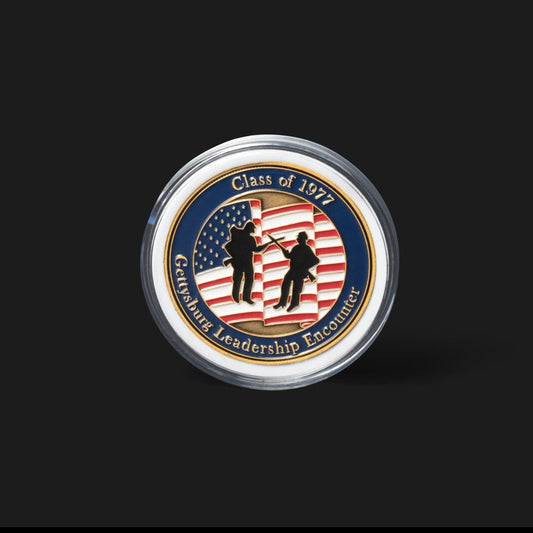
Graduation coins work when they celebrate earned qualification, not participation. Include course number, class date, and the badge or symbol tied to the credential. USA-made challenge coins help when classes repeat and you need exact matching year to year. Keep color limited for durability.
7. Police, fire and EMS badge pinning ceremonies
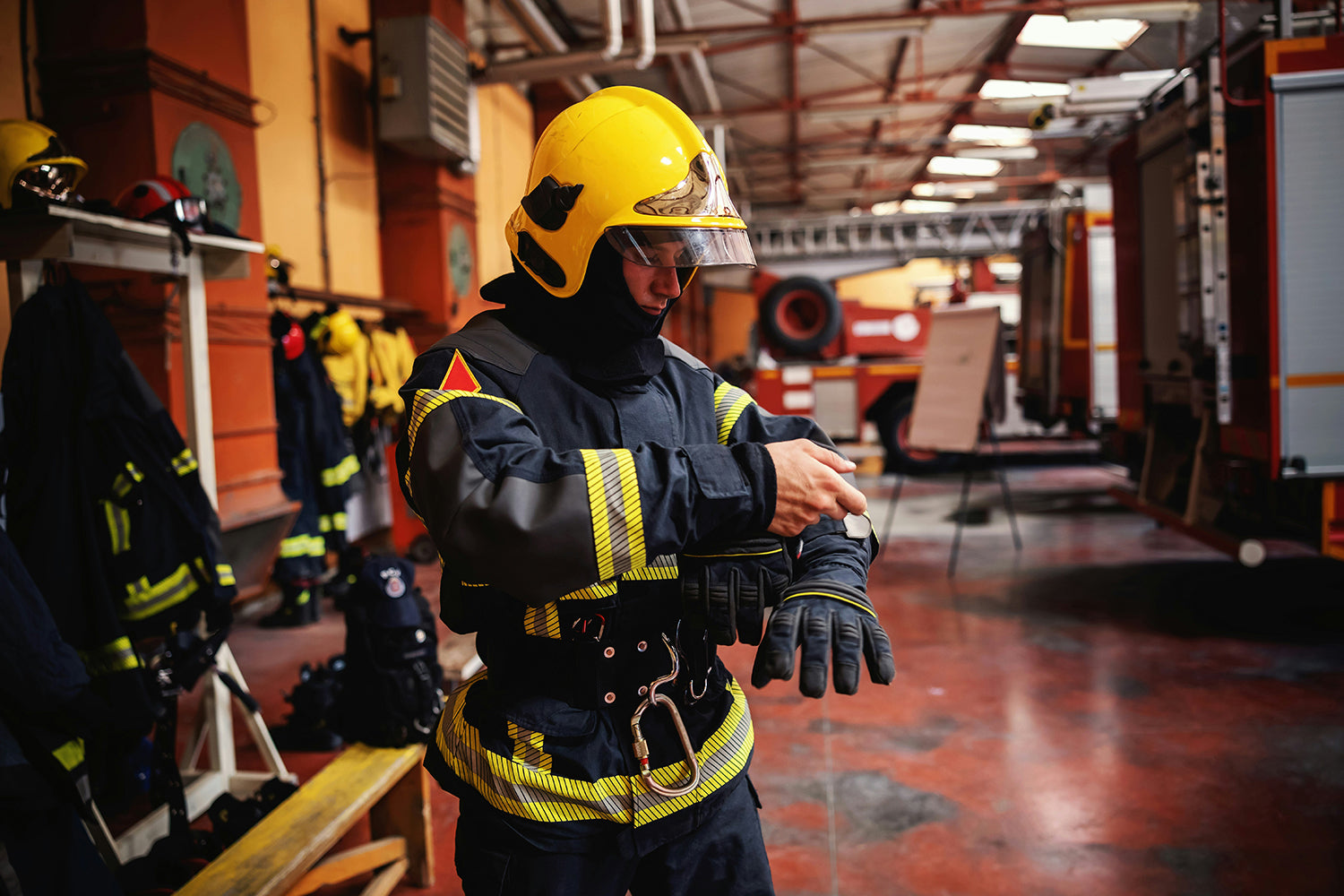
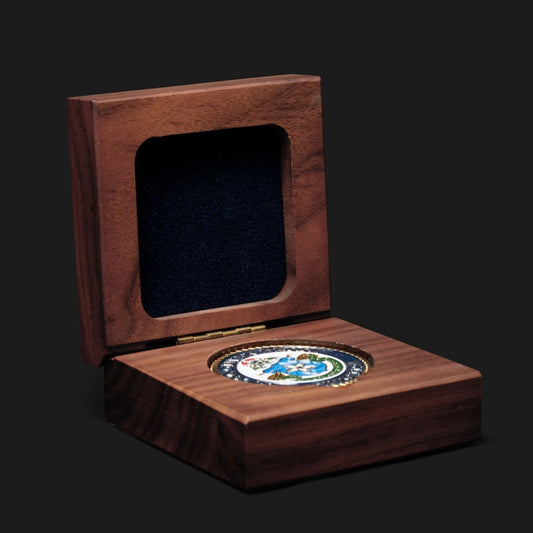
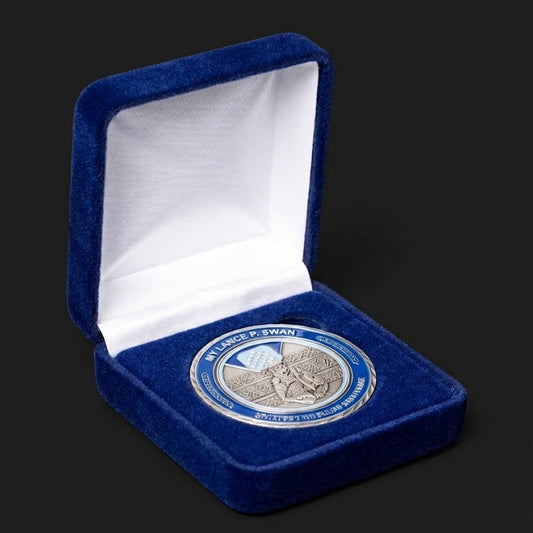
Badge pinning coins should center public trust and readiness to serve. Use the department seal, academy class, and a short pledge line approved internally. Domestic sourcing supports a clean, formal finish that matches the ceremony tone. Consider a protective case for family presentation.
8. Department anniversaries and station house milestone years
Anniversary coins need clarity, not complexity. Highlight the founding year, milestone year, and the station or department identifier. USA-made production supports consistent reorders when you add a new station number or shift designation. Keep the artwork timeless to avoid dating it quickly.
9. Mutual aid deployments after hurricanes floods and wildfires

Mutual aid coins recognize service outside normal boundaries and help close out a hard assignment with dignity. A county fire department from Florida deploying to Louisiana after a hurricane can present the coin at demobilization, using the incident name and dates to anchor memory. USA-made coins fit the public service context. Keep messaging neutral and focused on support.
10. Service awards for lifesaving acts and valor recognitions
Valor and lifesaving coins must respect privacy and official review processes. Use the award title, date, and department identifiers, then avoid operational details that should stay internal. Domestic production supports crisp relief that looks appropriate in formal presentation. Confirm approvals before you produce named versions.
11. Federal program kickoffs and contract performance milestones
Program milestone coins help teams remember why the work matters after the kickoff energy fades. Use the program name, a clear milestone label, and symbols that are legally cleared for use. USA-made coins help when origin documentation is requested. Keep the design consistent across phases for collecting.
12. Corporate safety milestones and employee recognition programs
Safety recognition coins work when they reinforce specific behaviors and shared standards. Employers reported 2.6 million nonfatal workplace injuries and illnesses in 2023, which makes sustained safety performance a measurable achievement. Use a milestone like hours without a recordable incident, plus site and year. Made in USA sourcing supports repeat awards that match.
"Execution is where good intent becomes a keepsake people actually carry."
|
Event or program |
Main takeaway |
|
1. Military unit activation and deactivation ceremonies |
Use dates and insignia to preserve unit lineage. |
|
2. Change of command and senior leader transitions |
Mark tenure cleanly and keep design formal. |
|
3. Deployment send offs and homecoming celebrations |
Keep messaging concise and aligned to mission identity. |
|
4. Promotion ceremonies for officers and enlisted members |
Center the new rank and the responsibility behind it. |
|
5. Retirement events honoring service and unit legacy |
Use career dates and dedication language that lasts. |
|
6. Graduations for academies training schools and qualification courses |
Focus on earned qualification with class identifiers. |
|
7. Police fire and EMS badge pinning ceremonies |
Match the ceremony tone with a clean public-service finish. |
|
8. Department anniversaries and station house milestone years |
Highlight milestone years and keep artwork timeless. |
|
9. Mutual aid deployments after hurricanes floods and wildfires |
Document the incident name and service dates respectfully. |
|
10. Service awards for lifesaving acts and valor recognitions |
Use official award language and protect sensitive details. |
|
11. Federal program kickoffs and contract performance milestones |
Create a consistent series that tracks phases and goals. |
|
12. Corporate safety milestones and employee recognition programs |
Tie the coin to measurable safety outcomes and site pride. |
Common missteps when ordering USA made commemorative coins
Most problems come from unclear requirements, not bad intentions. Teams often assume “made in USA” is self-explanatory, then get surprised when definitions, documentation, or component sourcing questions show up late. You’ll also see avoidable delays when approvals, quantities, and packaging choices are not locked early.
Start with a written spec that includes finish, edge style, enamel type, size, and packaging, then align that spec to the approval chain. Ask how origin is documented and how reorders are matched to earlier runs. When you work with Command Challenge Coins, request a clear confirmation of what “USA made” means for your order so internal reviewers get one consistent answer.
Artwork mistakes are another common trap. Tiny text, low-contrast metal choices, and crowded imagery look fine on a screen and fail in hand. A clean hierarchy of elements will read better at ceremony distance and will keep the coin dignified years later.
Match coin specs to budgets timelines and approval rules
The right coin spec is the one you can approve on time, fund responsibly, and reorder without surprises. Start from the ceremony date, then work backward through proof cycles, stakeholder reviews, and any policy checks tied to origin claims. A disciplined process will protect the meaning of the presentation and keep the coin consistent across years.
Budget and timeline should shape design complexity. High relief, cutouts, multiple enamel fills, and special edges can look outstanding, but each adds steps and review pressure. If you need a long-running recognition series, choose a format that stays stable and easy to reproduce, then reserve upgrades for truly rare milestones.
Execution is where good intent becomes a keepsake people actually carry. Command Challenge Coins supports this work best when you bring clear copy, confirmed dates, and a short list of non-negotiables, then let the proofing process do its job. That approach respects the mission behind USA made challenge coins and keeps every presentation moment focused on the recipient.