
Recognizing Women Leaders in Military and Public Service
Renita WingfieldKey Takeaways
- Recognition will carry weight when it ties specific leadership actions to measurable mission outcomes and uses correct rank, title, and timing.
- Consistent criteria for coins, medals, and formal awards will reduce bias and make recognition feel fair across roles, commands, and agencies.
- Clean execution in design and presentation will protect dignity and trust, while sloppy details and tokenizing language will weaken even well-meant praise.
Recognition that is specific, timely, and rank-appropriate will honor women leaders in uniform and public service with the respect they earned.
Generic praise and one size fits all awards often land poorly, especially when the recipient has had to prove competence under a brighter spotlight. Women remain a minority in many military formations, and that reality shapes how recognition is received and remembered. Women represented 17.5% of active duty service members in 2022. Recognition will carry more weight when it is anchored to measurable impact, clear standards, and a presentation that matches the achievement.
"You do not need a new set of rules for women to recognize women well."
You need consistent criteria, better execution, and careful attention to details that signal respect rather than novelty. The same discipline that makes a promotion board credible also makes an award credible. When recognition practices are tight, women leaders hear the message you intend: your leadership mattered, and we noticed it for the right reasons.
What meaningful recognition looks like for women leaders

Meaningful recognition names the leadership behavior and the result, then links both to unit or agency standards. It uses the recipient’s correct rank, title, and preferred name, and it avoids “first” framing that shifts focus to identity instead of performance. It lands best when it is timely and delivered by someone accountable for the mission outcomes.
Recognition becomes weak when it sounds like character praise with no evidence. “Hard worker” and “always positive” can be true, but they do not explain command impact, policy outcomes, or operational risk reduced. Strong recognition calls out actions such as building readiness, improving response times, raising compliance, mentoring, or restoring trust with stakeholders. That specificity makes the praise portable, meaning it still makes sense years later when the recipient is in a new role.
Pay attention to what your wording signals about how leadership is evaluated. When men get recognized for decisive outcomes and women get recognized for effort or attitude, your program teaches a standard you probably do not intend. You can keep the tone warm and human while staying tied to performance. Respect shows up in precision, not volume.
How to match recognition to rank, role, and achievement
Match recognition to the level of responsibility and the scale of impact, not to the visibility of the person. Awards work best when they reflect what the role actually controls, such as people, budget, readiness, safety, or public trust. A consistent match builds confidence that the program is fair across gender, specialty, and command climate.
Use a simple set of criteria so your leaders can act quickly without guessing. Keep the criteria visible, and apply them the same way across the chain of command and across civilian and uniformed roles.
- Scope of impact matches the unit, agency, or community affected
- Level of responsibility reflects rank, billet, or formal authority
- Evidence is documented with dates, outputs, and measurable outcomes
- Approval path aligns with policy and avoids last minute surprises
- Timing supports retention and morale, not just end of tour cycles
Tradeoffs will still show up. A high-level award can take time and may require endorsements, while a timely coin or letter can protect momentum after a hard mission. When the recognition is smaller, accuracy matters even more because the item must carry meaning without the gravity of a formal ceremony. Your best move is to standardize the match logic, then give supervisors room to select the format that fits the moment.
When to use challenge coins, medals, and formal awards
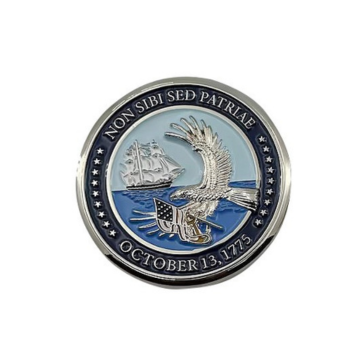
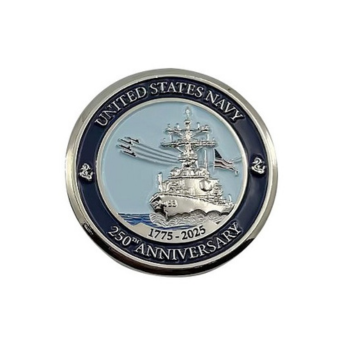
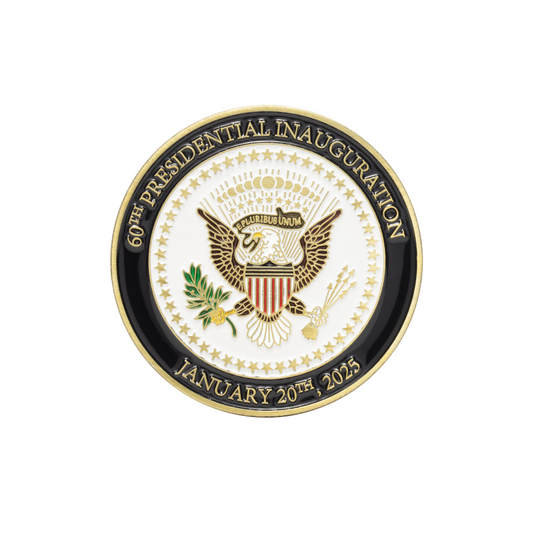
Challenge coins, medals, and formal awards serve different functions, and mixing them up dilutes trust. Coins work best as immediate, personal recognition from a leader to a leader. Medals and formal awards work best when the achievement must stand up to review, records requirements, and long term career visibility. The right choice depends on permanence, approval needs, and the message you want remembered.
|
Recognition format |
Best fit when you need the item to do |
Execution requirement that keeps it credible |
|
Challenge coin |
Mark a specific leadership moment with personal authority |
Deliver it with a clear citation that names actions and results |
|
Medal or service award |
Document sustained performance in an official record |
Use complete paperwork and match criteria to the regulation |
|
Plaque or desk award |
Provide a visible symbol for long term remembrance |
Confirm spelling, rank, and dates before production starts |
|
Certificate or letter of appreciation |
Capture a contribution that is meaningful but time sensitive |
Write a specific narrative that does not sound templated |
|
Public citation reading |
Signal shared standards and teach others what good looks like |
Keep the wording professional and focused on performance |
Coins and medals can complement each other when the timing is managed. A coin can land right after a tough inspection or incident response, while a higher award works through the formal path. That pairing prevents a recognition gap, which is when the hardest work happened months ago and nobody has heard “well done” since.
Be careful with over-awarding a single format. If every achievement gets a coin, coins lose meaning and the recipients start comparing designs instead of remembering why they were recognized. If every recognition waits for a formal award, you train leaders to delay appreciation and you lose the morale lift that helps teams sustain performance.
Design recognition coins and awards with respectful personal details

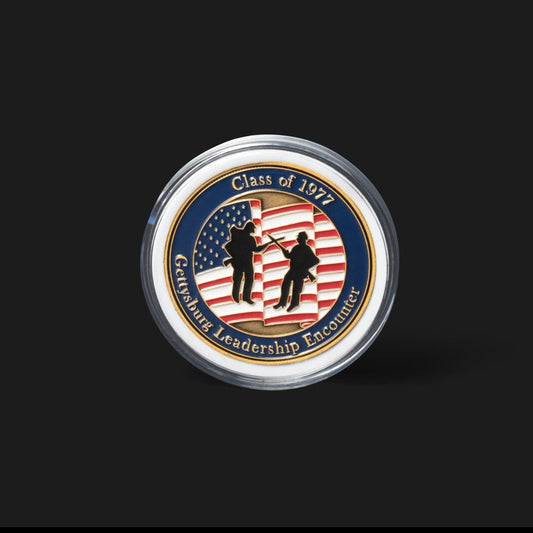
Design choices should reinforce service, role, and achievement, not gendered themes. The most respectful personalization is factual, such as unit, agency, position, dates, and a short line that captures the accomplishment. Clean design, correct insignia, and accurate spelling matter because small errors undercut the message more than most leaders expect.
Start with a checklist that protects the basics. Confirm rank and name formatting, especially for hyphenated names or suffixes. Use official emblems only with the right permissions, and keep imagery aligned to the mission set, such as aviation, medical, logistics, public safety, or emergency management. Avoid visual choices that feel like novelty, such as “ladies” phrases or symbols that do not reflect the recipient’s unit culture.
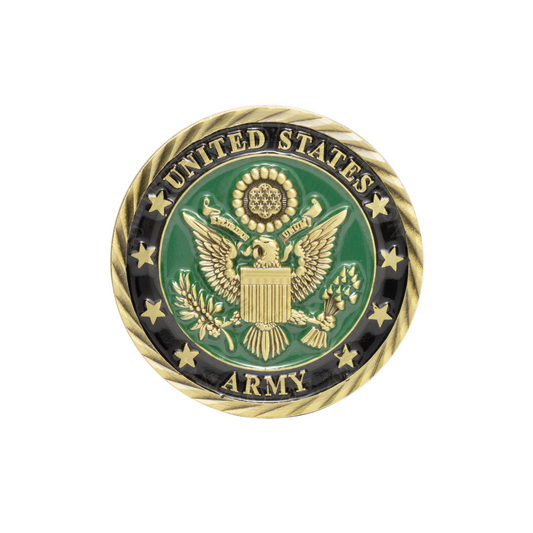
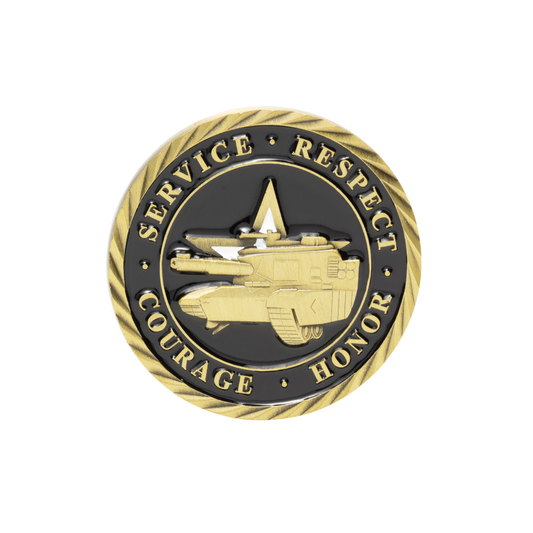
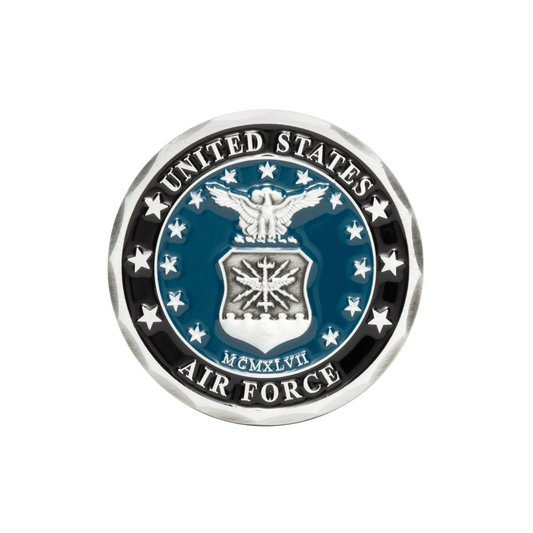
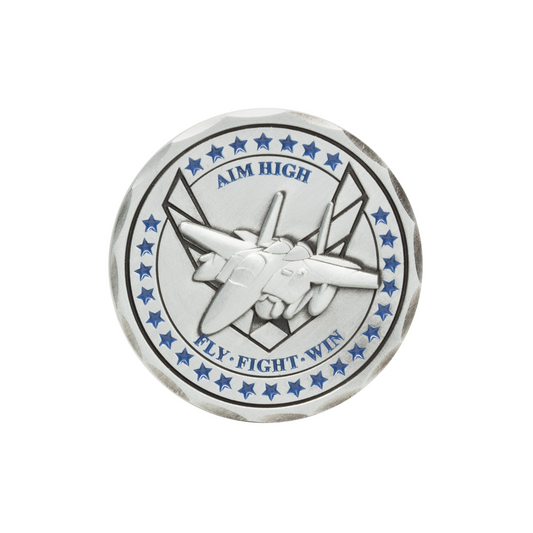
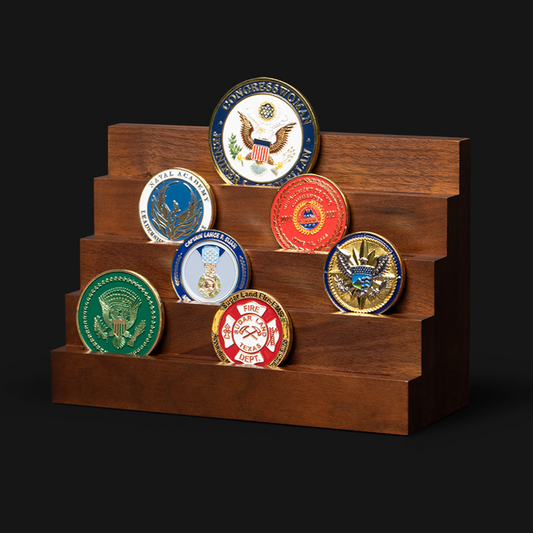
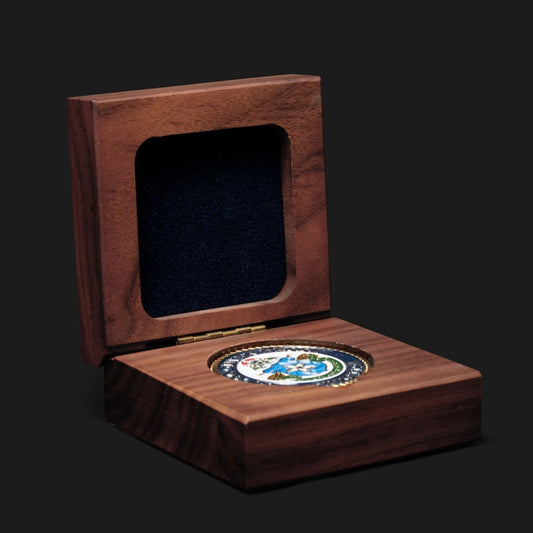
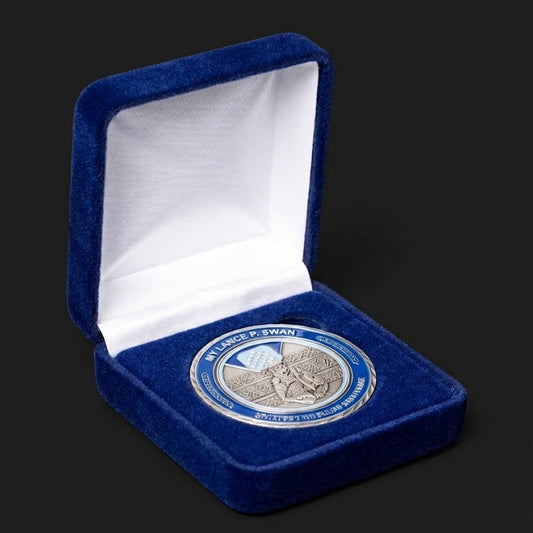
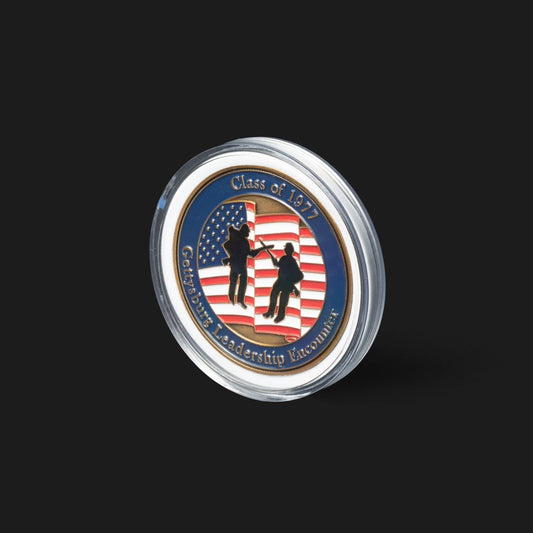
Production planning is part of respect. A coin delivered two months late feels like an afterthought, even if the metalwork is excellent. When you need a custom piece, we typically see leaders succeed by locking the citation text first, then approving artwork as a separate step so last minute edits do not derail the schedule. Command Challenge Coins often supports this workflow by sharing proofs that highlight spelling, rank layout, and edge text before anything moves into manufacturing.
How to present women veterans recognition in public ceremonies
Public ceremonies should keep the spotlight on service and leadership outcomes, while also protecting the recipient’s preferences and privacy. The strongest presentations connect military service to public service impact without implying the veteran is valuable only as a symbol. A clear script, a disciplined presenter, and a well timed handoff make the moment feel earned instead of staged.
Women made up 9% of the total veteran population in 2017. That minority status can make public recognition feel more visible than intended, so you should ask the recipient how they want their service described, how much detail is appropriate, and who should present the award. You can still tell a complete story while keeping the focus on performance, leadership, and the people served.
A practical approach is a short, specific citation read by the senior leader who benefited from the work, followed by a tangible item that is easy to hold and display. A city emergency management director, for instance, can recognize a woman veteran who led an after action improvement effort by reading three concrete outcomes, presenting a unit coin tied to the incident, and then closing with a brief thank you that names the team she led. That structure honors the veteran’s identity without letting identity replace achievement.
Common mistakes that weaken recognition for women in service
Recognition loses impact when it sounds generic, misses key facts, or signals different standards for men and women. The most common failures are avoidable: sloppy names and ranks, vague praise, and framing that treats the recipient as a novelty.
"Fixing these issues does not require new policy, only better habits and accountability."
Tokenizing language is a frequent problem. Phrases that highlight gender first can embarrass the recipient and shift attention away from the mission. Another common error is praising “support” work without naming the leadership decisions behind it, which can quietly diminish roles that are complex and high pressure. Keep the narrative tied to actions, constraints, and results, and your recognition will sound like leadership recognition instead of personal commentary.
Ceremony mechanics also matter. A rushed handoff, a mispronounced name, or a presenter who ad-libs can undo weeks of good intent. Practice the reading, verify details, and keep the moment short enough to feel sharp. When the execution is clean, the recipient feels seen and the audience learns what standards the organization values.
Building recognition programs that support women in military leadership
A strong recognition program is a system, not a series of one off gestures. It sets clear criteria, assigns ownership, and uses consistent documentation so awards reflect performance and withstand scrutiny. Programs like this support women in military leadership because they reduce room for bias, make outcomes visible, and reward the leadership behaviors you want repeated.
Start with governance. Define what earns a coin, what earns a formal award, who approves each level, and what documentation is required. Build a review rhythm that catches gaps, such as teams that never submit recognition or supervisors who only recognize the loudest roles. When you treat recognition as a leadership responsibility, it will become part of how you manage performance, not a seasonal task.
Execution is where credibility is won. Select items that fit your culture, keep the writing specific, and present recognition in a way that feels consistent with military and public service traditions. When you need physical symbols such as leadership recognition coins, Command Challenge Coins can fit into a disciplined process that starts with accurate citation text and ends with a piece your leaders can present with pride. The lasting value will come from your standards and follow through, because people remember the meaning you attach to an award long after the ceremony ends.