
Women's History Month Recognition Ideas for Military and Government
Renita WingfieldKey Takeaways
- Recognition will carry weight when it is tied to mission results, written standards, and consistent approval paths.
- Format choices should match the level of impact and compliance needs, balancing official records, protocol, and a meaningful keepsake.
- Fair nominations, documented scoring, and privacy-conscious communications protect trust while expanding recognition beyond the most visible roles.
Women's History Month works best in military and government settings when recognition is tied to mission outcomes, documented performance, and clear selection rules. Women make up 17.5% of active duty service members, so recognition systems that overlook them will miss a large share of the force’s leadership and technical skill. Tight criteria also protects the legitimacy of awards, especially when multiple commands, unions, or oversight offices pay attention to fairness.
Recognition also needs to be designed for how military units and agencies actually operate. You’re balancing protocol, ethics rules, privacy, and limited time on calendars that are already packed. The best approach is disciplined and repeatable: pick what you’re honoring, pick a format that matches the achievement, run a fair process, then deliver it in a way that feels official and personal at the same time.
"Recognize women’s service with specific standards, not generic praise."
Set clear recognition goals aligned with unit and agency missions
Start by defining what “excellent” looks like for your command or office, then recognize women for meeting that standard in visible ways. Focus goals on mission outcomes such as readiness, operational performance, risk reduction, or public service delivery. Keep the scope tight enough to judge consistently. Write the goal so a supervisor can defend it in one minute.
A practical way to set goals is to choose one to three outcomes you’ll honor during March and keep them stable all month. “Women’s leadership” is too broad on its own, but leadership tied to measurable results is easy to evaluate. Leadership can mean leading a team through an inspection, standing up a new process, mentoring junior staff into qualification, or stabilizing a program after turnover. Women veterans recognition can fit the same structure when it ties to continued public service, unit support, or community impact that aligns with your mission.
Clear goals also reduce friction across stakeholders. Legal, public affairs, equal opportunity, and your senior enlisted or senior staff will ask what the award recognizes and why it matters. When your goal statement is specific, you’ll spend less time negotiating wording and more time honoring the right work. Over time, the unit’s recognition culture becomes more credible because the standard stays consistent.
Choose recognition formats that fit rank role and impact
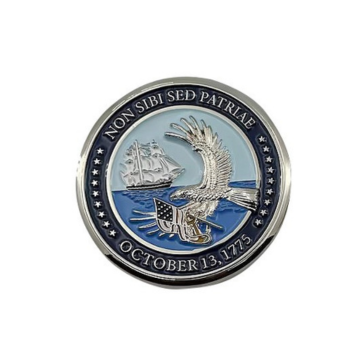
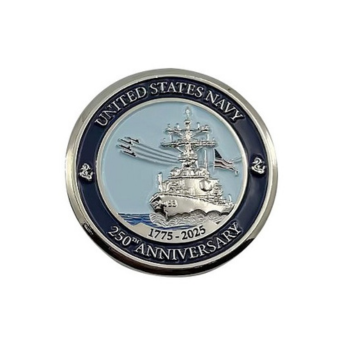
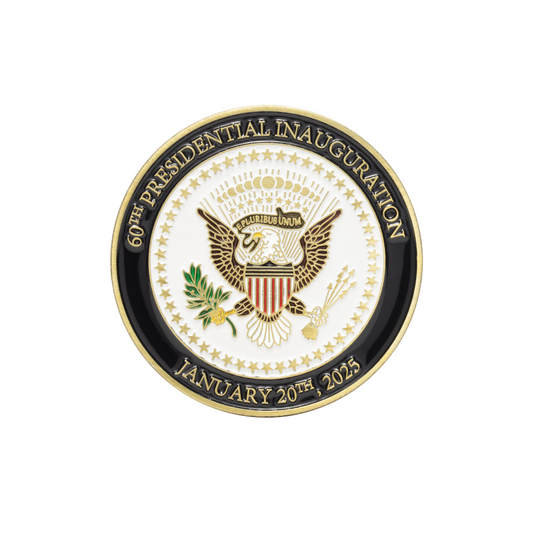
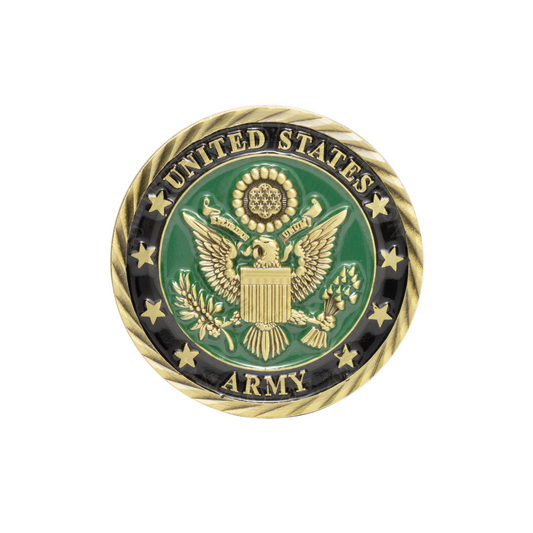
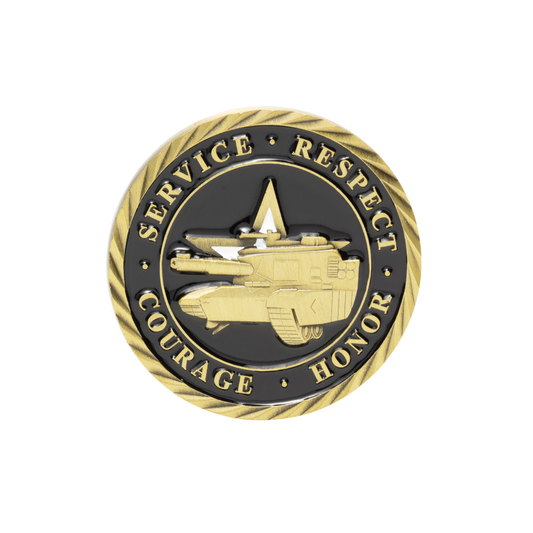
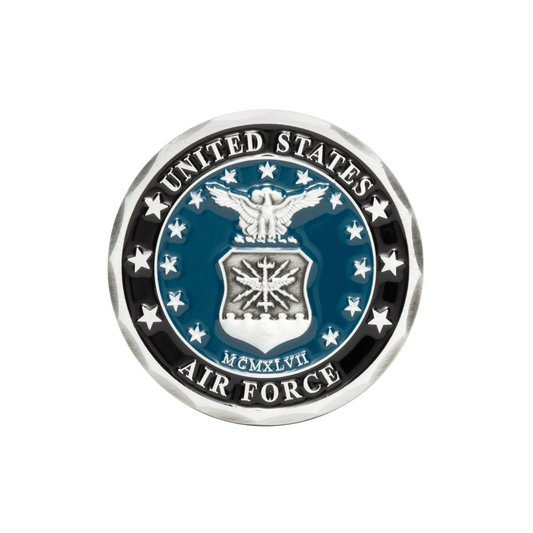
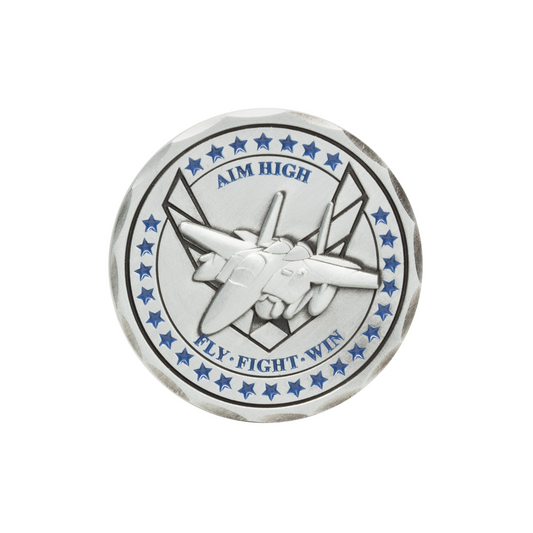
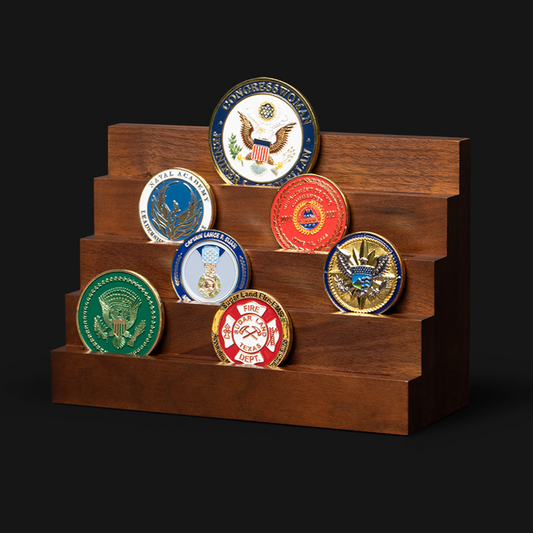
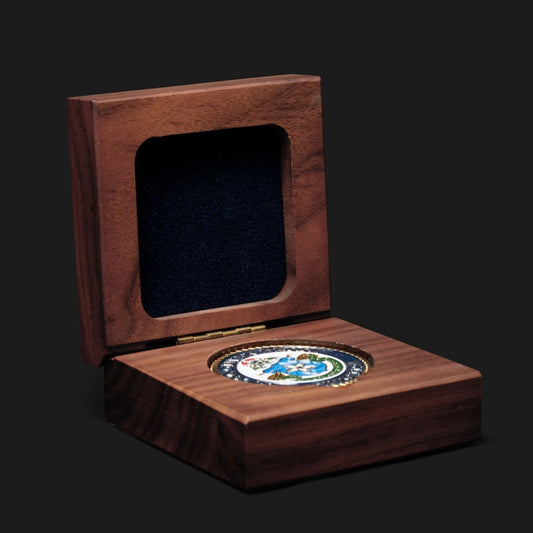
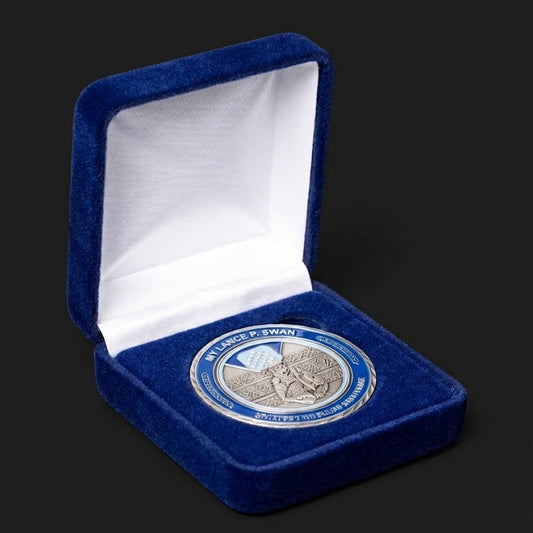
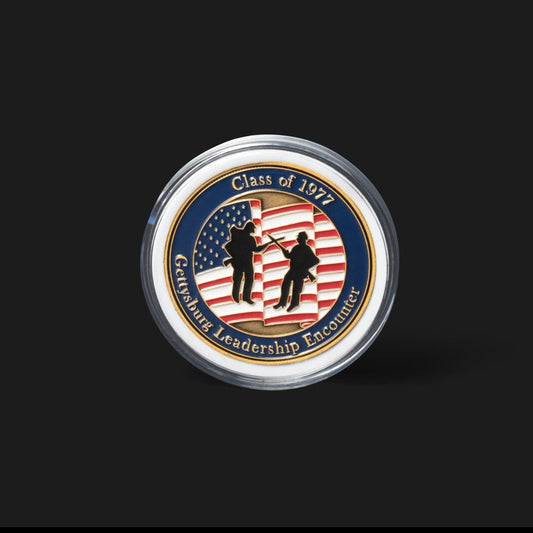
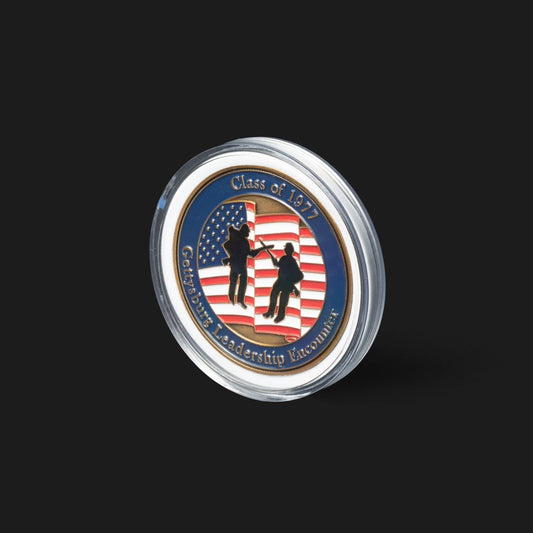
Match the recognition format to the level of impact and the audience that needs to hear the story. Formal awards and medals work when you need permanent documentation and career value. Coins and plaques work when you want a tangible symbol tied to unit identity. Public praise works when you have consent and a clear message. The wrong format will feel either inflated or dismissive.
Format selection should follow three checks. First, confirm who must approve it and how long approval takes. Second, confirm what will be retained in official records, if anything. Third, confirm what the recipient will actually keep and display with pride years later. Production details matter for tangible items, so teams often coordinate early with a maker such as Command Challenge Coins to align size, finish, and delivery timelines with the ceremony date.
|
Recognition format |
Best fit and key watchout |
|
Formal military or agency award |
Use this for sustained impact, and confirm routing timelines early. |
|
Letter of appreciation or commendation |
Use this for fast recognition, and keep language tied to documented results. |
|
Challenge coin presentation |
Use this for unit pride, and keep criteria consistent to protect meaning. |
|
Plaque or desk award |
Use this for milestone service, and avoid generic titles that obscure achievement. |
|
Public recognition post or newsletter feature |
Use this for broad visibility, and get written consent before publishing. |
Build fair nomination and selection processes for women honorees

A fair process makes recognition feel earned and protects leaders from claims of favoritism. Use written criteria, a defined nomination window, and a small panel that can score submissions consistently. Require evidence that can be verified, such as metrics, inspection results, training completion, or supervisor documentation. Publish what “good” looks like so nominators write to the standard.
Strong nomination packets share one trait: they describe outcomes, not personality. Ask nominators to link actions to mission results, then ask supervisors to validate facts before the panel reviews anything. A short scoring rubric also keeps standards stable across shops and directorates. These five criteria work across military and civilian settings without rewarding visibility over impact.
- Measurable mission impact tied to your unit or agency goals
- Scope of responsibility and complexity of the work executed
- Leadership actions that improved team performance and accountability
- Consistency over time, not a single high-profile moment
- Professional conduct that reflects service values and public trust
Guardrails matter as much as criteria. Keep panel notes, protect privacy, and avoid informal backchannels that pressure selectors. When an honoree is not selected, leaders can still give timely feedback and alternative recognition that fits the level of achievement. That follow-through keeps trust intact for next year’s nominations.
Plan Women's History Month ceremonies that respect military protocol
A ceremony should feel official, run on time, and clearly connect the honoree’s work to the mission. Set a fixed script, assign roles, and lock the sequence for arrival, opening remarks, reading citations, and presentations. Keep the focus on recognized achievements, not the preferences of the speaker. Confirm uniform or dress guidance and ensure the space meets accessibility needs.
A workable model is a 25-minute ceremony scheduled immediately after a command update or staff meeting, with awards presented by the commander or senior executive and citations read by the senior enlisted leader or chief of staff. The program can include one honoree who is a woman veteran now serving as a civilian, plus one active or reserve service member recognized for current mission results. A single commemorative coin presentation at the end reinforces unit identity without turning the event into a long gift exchange. A brief reception after the official close gives supervisors time to thank families and teammates without stretching the formal agenda.
Protocol is also about risk control. Public affairs should confirm what can be photographed, who has opted out, and what unit marks can appear on printed materials. If senior leaders are traveling, secure alternates who can present awards with the same authority. When the ceremony is predictable and well-run, the recognition feels earned rather than improvised.
"Disciplined recognition is a leadership skill that compounds over time because people learn what excellence looks like and trust the system that rewards it."
Design commemorative coins and awards that tell service stories

Commemorative coins and awards work when design choices reflect a specific service story, not a generic theme. Build the design around the unit or agency identity, the month, and the exact achievement being recognized. Use symbols tied to occupational skill, operational excellence, or public service outcomes. Keep text short so it stays readable at arm’s length.
Design also has to respect who receives the item. Avoid visual cues that reduce women’s service to stereotypes, and avoid imagery that suggests a separate standard for women. A strong approach uses the same design language as other unit coins while adding a clear Womens History Month mark, a date, and a mission-relevant motto. Edge text, sequential numbering, and a short citation card can add meaning without cluttering the art.
Women veterans recognition deserves the same level of care because their service spans eras and specialties. Women accounted for about 2 million U.S. veterans in 2015, which makes veteran recognition a major part of public service culture, not a niche effort. Confirm any restrictions on seals, insignia, and office identifiers before finalizing art, and keep approvals documented so the design process stays smooth.
Avoid common recognition missteps and meet government ethics rules
Recognition fails when it looks like a popularity contest, conflicts with ethics rules, or exposes private information. Keep awards tied to documented performance, not personal stories shared without permission. Confirm gift and endorsement restrictions for any item with monetary value or outside sponsorship. Treat names, photos, and service details as controlled information unless you have clear consent to publish.
Several missteps repeat every year. Leaders sometimes recognize only the most visible roles, which leaves technical, staff, and support functions overlooked even when they carried the mission. Teams also rush production and end up with misspellings, wrong ranks, or inaccurate citations that embarrass the recipient. Ceremony scripts sometimes drift into personal commentary that feels awkward in uniformed or civil service settings, especially when the intent is to honor professional performance.
Disciplined recognition is a leadership skill that compounds over time because people learn what excellence looks like and trust the system that rewards it. That discipline includes picking formats with clear standards, building fair selection controls, and delivering recognition with protocol and respect. When you need tangible recognition executed with tight design control, Command Challenge Coins fits naturally into that workflow as a production partner that follows your requirements and timelines. The lasting impact comes from your standards, your consistency, and the care you show in honoring women’s service without cutting corners.