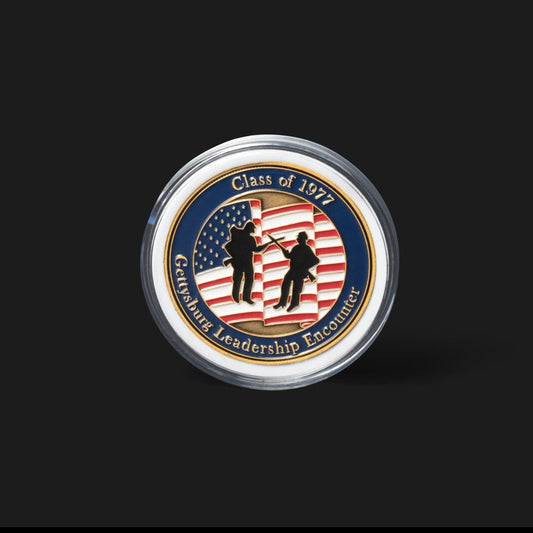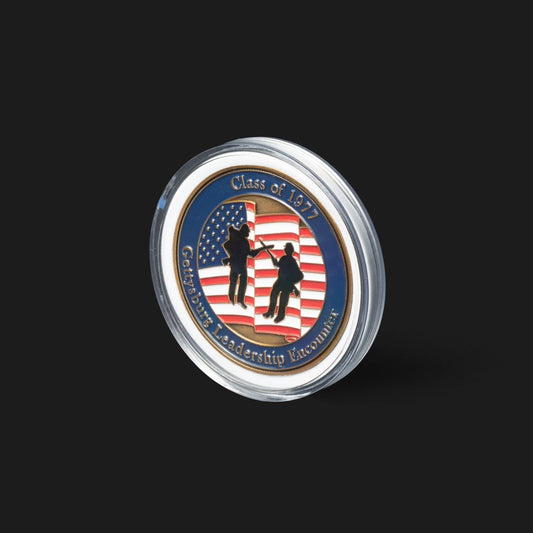

Corporate challenge coins for culture and recognition
Renita WingfieldKey Takeaways
- Treat corporate challenge coins as an earned credential with clear standards, limited awarding authority, and a consistent presentation moment.
- Use employee recognition coins to reinforce identity and shared expectations when cash rewards would blur the message or fade quickly.
- Protect long-term meaning through disciplined design, controlled reorders, and simple tracking that keeps recognition fair across teams.
Recognition programs fail when they feel vague, random, or purely transactional. Coins solve a different problem than gift cards and bonuses solve, because they signal identity and standards, not just compensation. The point is simple and strict: a well-run coin program will build culture only if you treat coins like an earned credential, not branded swag. That requires clear criteria, consistent presentation, and tight controls over design and reorders.
"Corporate challenge coins make employee recognition visible, repeatable, and hard to ignore."
Retention pressure makes those execution details matter. Median employee tenure for wage and salary workers was 4.1 years in January 2024, a reminder that many teams will cycle fast enough to dilute traditions unless you reinforce them deliberately. Coins work best when they become a shared language for “this is what good looks like here,” and when leaders protect that meaning over time.
Corporate challenge coins and how they support recognition
Corporate challenge coins are custom, tangible awards presented to mark specific behaviors or achievements, with meaning reinforced through consistent criteria and a respectful handoff. They support recognition because they carry story, status, and memory in a way digital badges and generic merch rarely match. People keep coins, show them, and talk about how they were earned.
Employee recognition coins work when the organization treats them as a small piece of ceremony, not a throwaway item. A coin becomes a “portable signal” that someone met a standard that peers understand. That public clarity matters for culture because it turns recognition from a private thank you into a shared reference point. You’ll get more value when coins are scarce enough to feel earned and common enough to feel attainable.
Coins also support managers who need a tool that lands emotionally without turning every win into compensation math. A manager can recognize conduct, craftsmanship, and follow-through in a way that still feels professional. That matters for tech-savvy teams, where people can be allergic to performative praise but still want their work to be seen. The coin becomes the proof that recognition happened, and that it meant something.
When employee recognition coins work better than cash rewards
Employee recognition coins work better than cash when you want to reinforce identity, values, and long-term pride rather than short-term motivation. Cash rewards are flexible, but they often get absorbed into normal spending and lose their “moment.”
"Coins stay visible and keep the recognition story attached to the person, the team, and the standard that was met."
One field experiment on symbolic awards found performance rose about 12% after a public award was introduced, showing that status and meaning can move behavior even without money attached. That result aligns with what leaders see on the ground: recognition that feels earned and witnessed tends to shape norms. Coins fit that pattern when the presentation is consistent and the “why” is specific.
Coins are a strong choice when you’re trying to reward cross-team support, quality, and ownership, areas where a dollar amount can feel arbitrary. They’re weaker when someone expects direct financial recognition for measurable results tied to compensation plans. Many organizations use both, but coins should stay in the lane of culture and standards. When you keep that boundary clear, you avoid turning coins into a second, confusing pay system.
Set clear criteria for earning and presenting each coin
A corporate coin program holds meaning only when earning criteria are explicit, limited, and applied consistently across leaders. You should define what the coin recognizes, who can award it, and what proof is required, then protect that standard even when pressure shows up. Presentation matters too, because the handoff is part of the recognition, not an afterthought.
Use a short set of rules that managers can follow without improvising, and keep the program auditable. Make sure criteria are written in observable terms, so people can tell the difference between solid work and coin-worthy work. Tie each coin to a small number of behaviors, not a long list of vague values. Align leaders on what “not coin-worthy” looks like, since that’s where inconsistency starts.
- Define one clear standard per coin that a peer can recognize
- Limit awarding authority to specific roles and document exceptions
- Require a short written reason that names the observed behavior
- Present coins in person or on video with the team present
- Log awards in a simple register to prevent duplicate narratives
Presentation should be respectful and consistent, but not theatrical. A short statement naming the behavior, the impact, and the standard is enough. That script also protects fairness because it forces the leader to be specific. Over time, employees learn exactly what earns a coin, and your culture gets clearer without adding new policy.
Design choices that make corporate coins feel meaningful

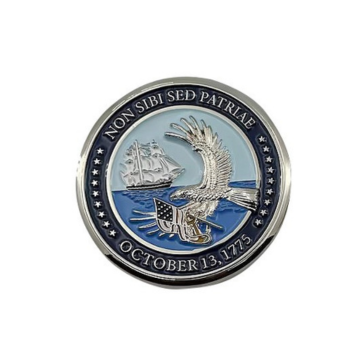
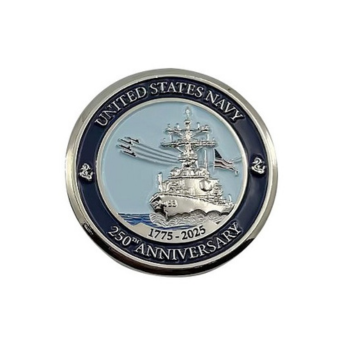
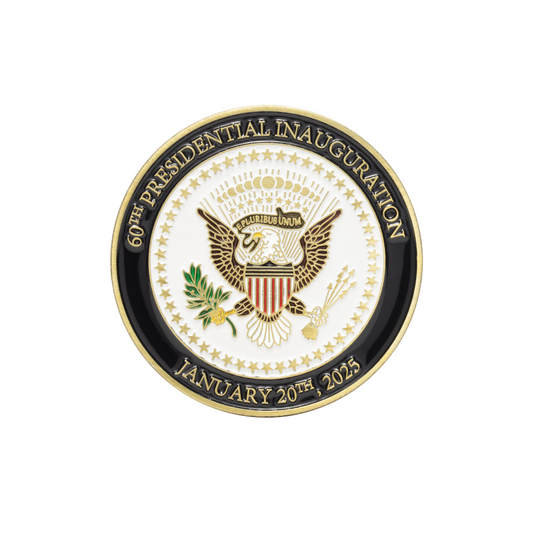
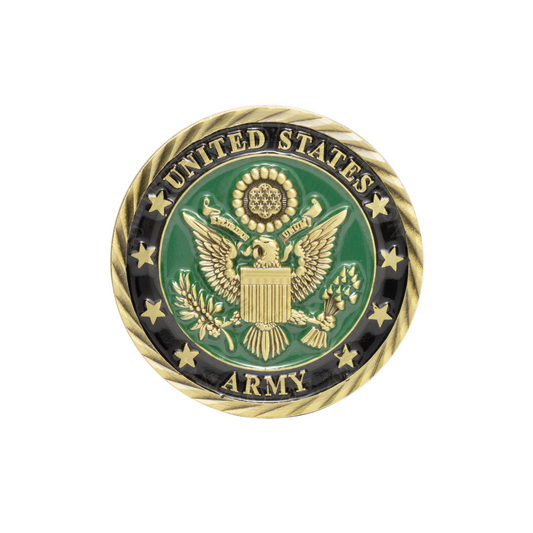
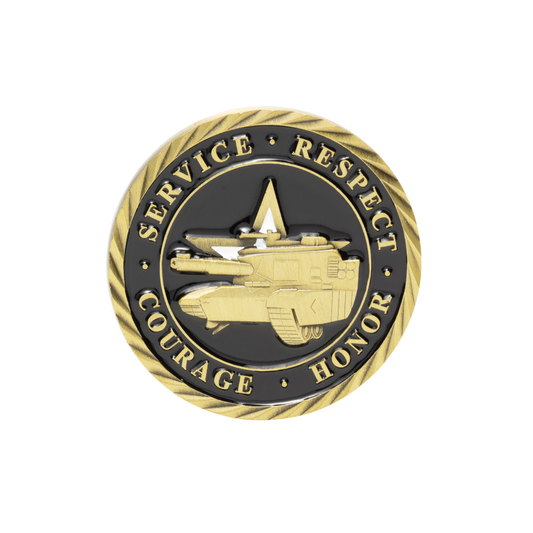
Corporate challenge coin design feels meaningful when every element points to a specific story your team recognizes, not just a logo. Shape, weight, edge style, and finish signal seriousness and permanence, which is the whole point of a coin. Design should also match the level of achievement, so a routine “thank you” never looks identical to a high bar award.
Start with the narrative before you start with art. Decide what the coin represents, then pick symbols that employees can explain in one sentence. Too many design elements make a coin feel like a marketing piece, and that weakens recognition. Keep text short, choose legible typography, and avoid date ranges unless the coin marks a specific milestone or cohort.
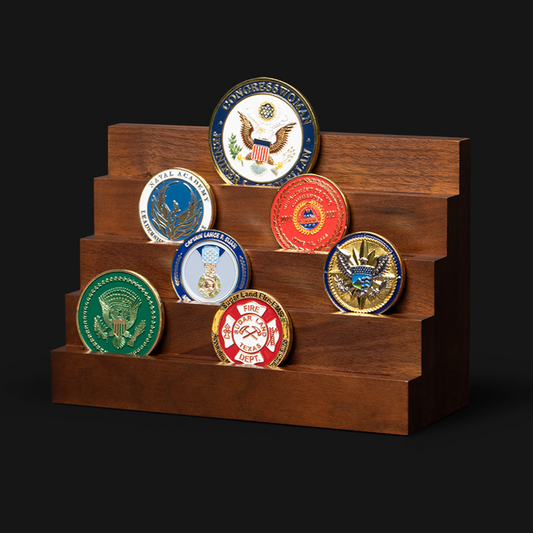
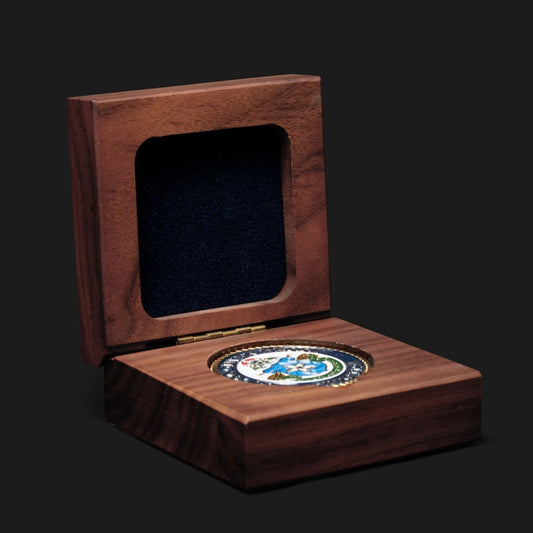
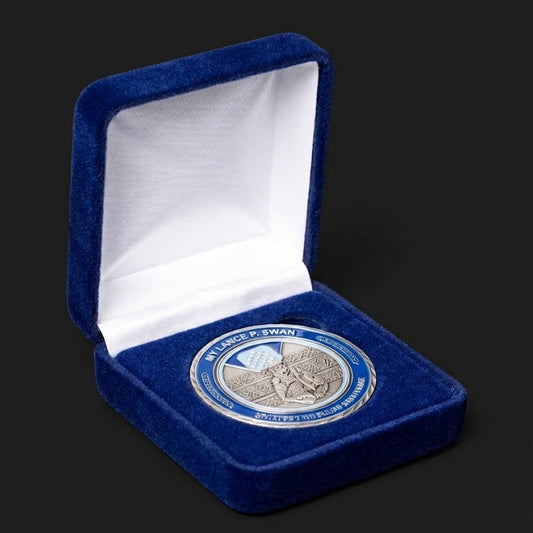
Practical details also shape meaning. Sequential numbering can add legitimacy, but only if you manage records well and reorders stay controlled. A protective capsule or presentation box signals that the coin is meant to be kept, not tossed in a drawer. If you plan multiple coins, keep a consistent “family look” so people can recognize the system while still seeing each coin as distinct.
Plan production details budgets, timelines and reorder controls
Production planning protects the integrity of employee recognition coins by preventing delays, quality surprises, and uncontrolled reorders that dilute meaning. You should lock specs, approve proofs carefully, and decide how many coins to hold in reserve for leadership awards. Budgeting is easier when you treat coins as a program with governance, not a one-time purchase.
Start with lead time, because timing affects presentation. If a coin arrives two months after the moment, it loses force and starts to feel like admin cleanup. Align stakeholders on finishes, plating, and color matching early, then approve a proof with the same seriousness you’d apply to a customer-facing asset. A production partner such as Command Challenge Coins can support proofing and spec clarity, but you still own the internal standard and award controls.
|
Program checkpoint |
What you should lock before ordering |
|
Purpose and level |
State the single achievement the coin represents and its rarity |
|
Specifications |
Confirm size, thickness, finish, edge style, and packaging details |
|
Proof approval |
Approve art only after checking text, colors, and fine-line legibility |
|
Quantity planning |
Order enough for a set period and keep a controlled leadership reserve |
|
Reorder governance |
Restrict reorders to one owner to prevent off-cycle copies |
|
Record keeping |
Track awards so numbering and stories stay consistent over time |
Launch and sustain a coin program across teams

A coin program sustains across teams when you centralize standards and decentralize recognition within clear limits. You should train leaders on criteria and presentation, set a simple logging habit, and run lightweight check-ins to spot drift. The goal is consistency without making recognition feel bureaucratic or slow.
A clean rollout can look like this. A 1,000-person software company issues one coin for “customer-impact ownership” that a VP or director can award after a documented incident review, and another coin for “mentorship and lift” that engineering managers can award after peer nominations are validated. Coins are presented on the same weekly all-hands video, and a small internal register tracks recipient, reason, and awarder. That structure keeps the meaning stable even as teams reorganize.
Long-term health depends on leader behavior more than messaging. Recognition must happen close to the event, and the reason must be concrete, or people will assume politics. Rotate awarding opportunities so recognition does not cluster in a single function. If your culture values autonomy, keep approvals light, but keep auditing firm. Consistency builds trust, and trust is what turns a coin into a cultural marker.
Track impact and avoid common recognition coin mistakes
You should judge a corporate challenge coin program on consistency, fairness, and narrative clarity, not on how many coins get distributed. Track who receives coins, why they received them, and how employees describe the standards behind them. Most failures come from over-awarding, vague criteria, weak presentation, and uncontrolled reorders that make the coin feel like merch.
Measurement can stay simple and still be useful. Look at distribution patterns across teams and levels, then correct for manager bias before resentment builds. Ask a short quarterly question in your engagement pulse about clarity and fairness of recognition, and compare it to your award log. Listen for the phrase employees use when they explain a coin, because that tells you if your standards are landing.
A disciplined coin program will feel strict in the right ways. Leaders should be comfortable saying no, and they should be prepared to explain the standard without hedging. When you treat coins as a credential, people will respect them, and culture will sharpen around shared expectations. Command Challenge Coins fits best when you’re ready to run recognition with the same care you apply to customer trust and internal standards.