
17 Ways Military Units Recognize Their Veterans
Renita WingfieldKey Takeaways
- Set a clear purpose and audience for each recognition moment so it feels accurate, respectful, and consistent with unit tradition.
- Match the recognition format to rank, role, and budget, then prioritize personalization and quality so the gesture lasts beyond the ceremony.
- Protect execution details with a simple plan for timing, protocol, and privacy so recognition honors the veteran without creating friction.
Pick recognition that matches the veteran’s service and your unit’s tradition.
Military veteran recognition works best when it is specific, timely, and tied to the unit’s identity. The United States had about 18.2 million veterans in 2023. That scale means veterans in your formation, alumni network, and community will notice what your unit chooses to honor. Small, consistent actions will carry more weight than a single grand gesture.
Your goal is simple: give veterans proof that their service is remembered in a way that feels accurate. The best veteran appreciation ideas respect rank and role without turning recognition into a popularity contest. They also include families when the moment calls for it, since military service is rarely a solo load. A clear plan helps you honor veterans with fewer missteps and better follow-through.
Set the purpose and audience for unit veteran recognition
"Unit recognition works when you decide who you’re honoring and what the moment needs to accomplish."
Some events are meant to mark separation or retirement, while others reinforce unit veteran traditions and long-term connection. Your “audience” also matters, since active-duty members, veterans, and families hear the message differently. Clear intent keeps recognition respectful instead of performative.
Start with a simple decision: recognize performance, sacrifice, mentorship, or time in service, then match the format to that purpose. Public recognition builds shared memory, while private recognition protects personal details and avoids unwanted attention. Your unit should also define who speaks and who presents items, since protocol carries meaning. Once those basics are set, the rest becomes easier to execute consistently.
Choose recognition methods that fit rank, role, and budget

Veteran recognition ideas land better when they fit the person and the unit’s resources. A meaningful gift with a short citation will beat an expensive item handed over with no context. Rank matters for protocol, but personalization matters for impact. Budget matters too, since consistency over time will shape how credible recognition feels.
Use these selection checks before committing funds or dates. Keep them simple so planners can apply them quickly. Aim for choices that honor military service without creating awkward comparisons. Strong unit recognition practices usually share these traits.
- Pick one message you want the veteran to remember later.
- Match formality to the setting and the veteran’s preferences.
- Protect sensitive service details and family privacy.
- Plan for repeatability so the unit can sustain the practice.
- Favor items that last and stay readable years later.
17 ways military units recognize their veterans with meaning
These options cover ceremonies, keepsakes, and support actions that units can run without losing dignity or control. Some focus on commemorative veteran coins and other veteran commemorative gifts. Others focus on visibility, record keeping, and ongoing connection. Choose a mix that fits your unit’s tempo and the veteran’s comfort.
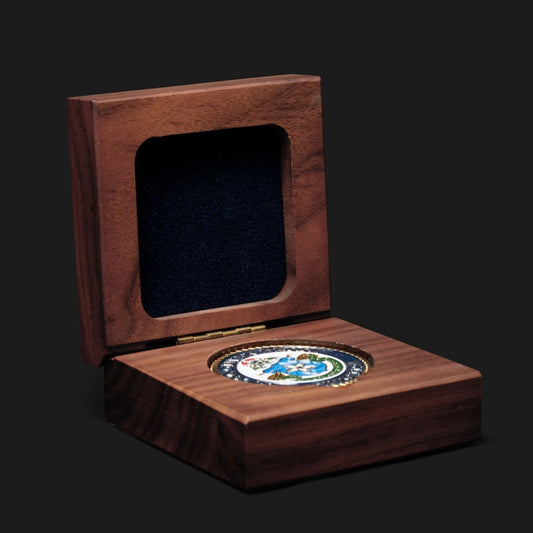
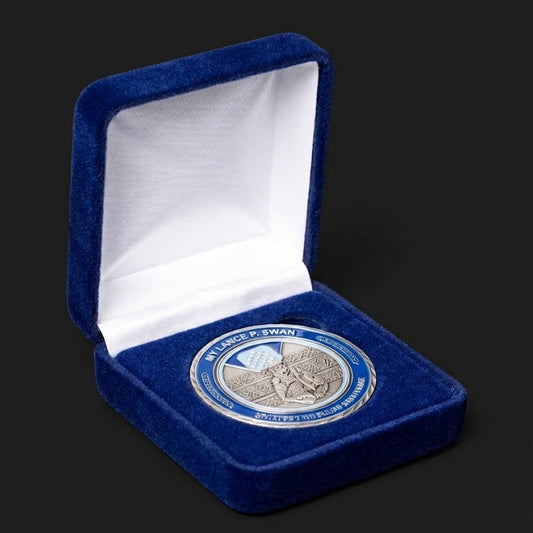
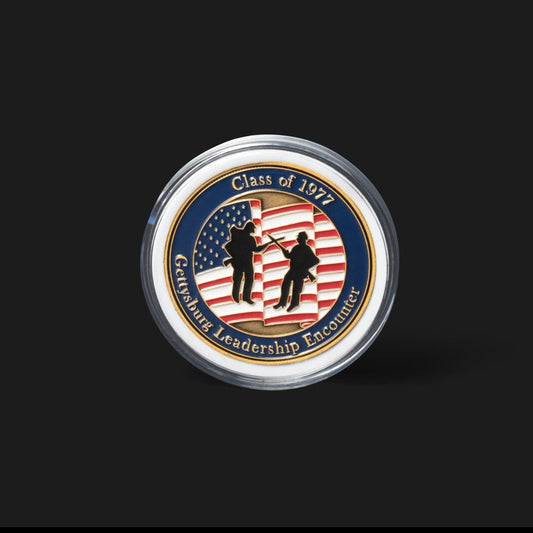
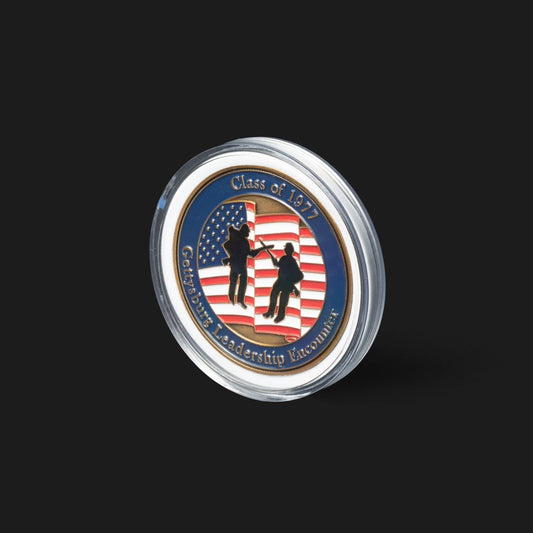
1. Present custom unit challenge coins during a formal formation
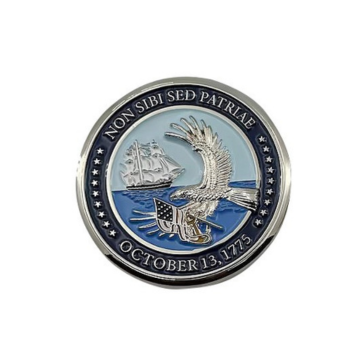
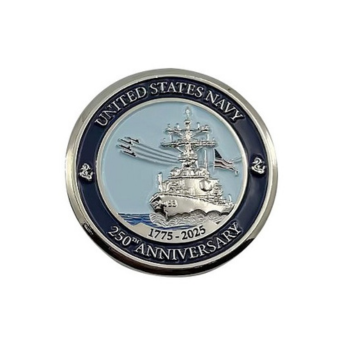
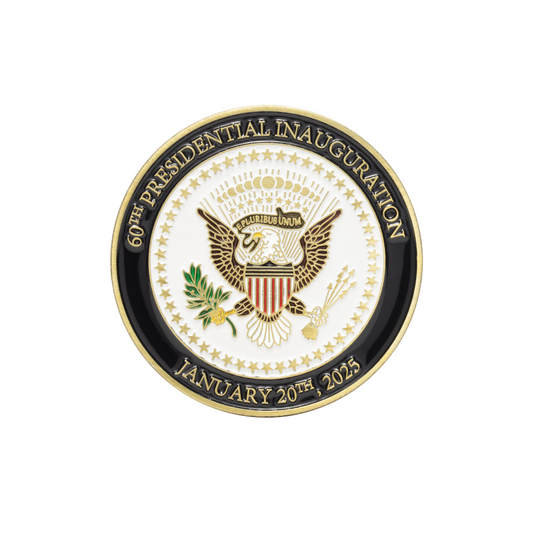
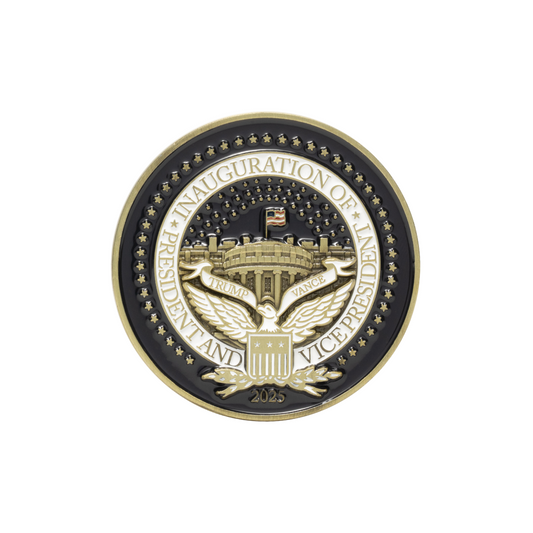
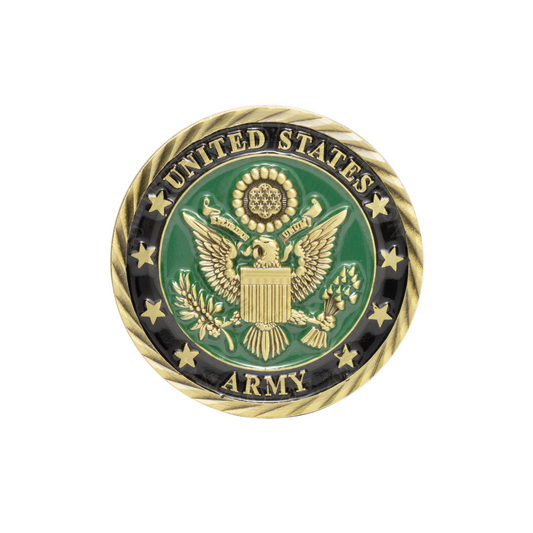
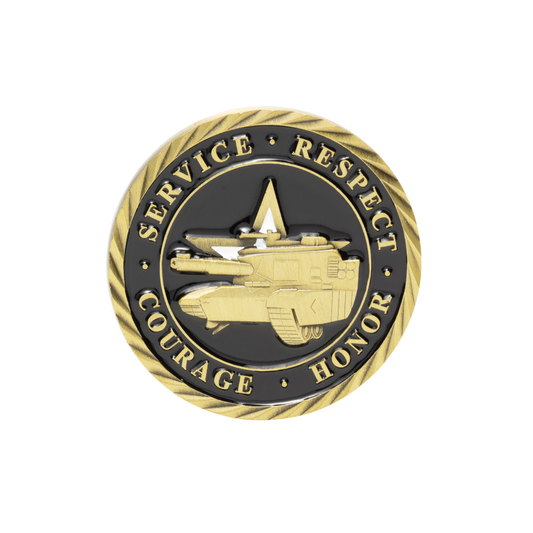
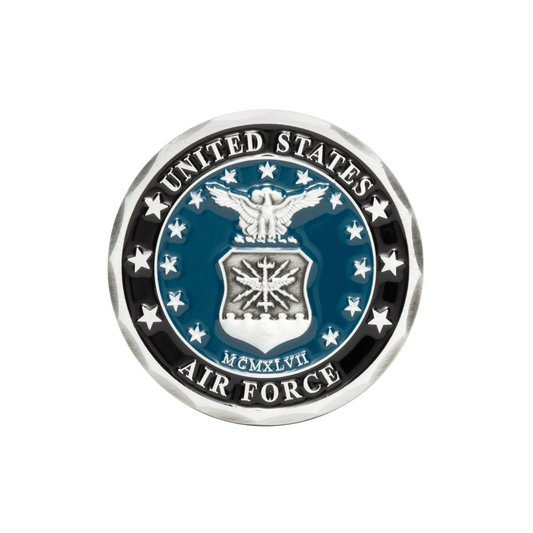
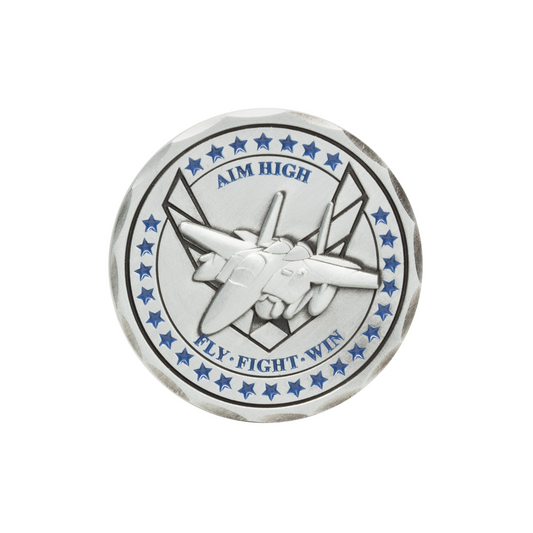
Challenge coins work best when the citation explains why the coin is earned. A short presentation keeps the moment focused and respectful. A unit-standard design protects tradition while still feeling personal. Command Challenge Coins can produce designs that match heraldry and approval rules.
2. Issue commemorative veteran coins for key unit anniversaries
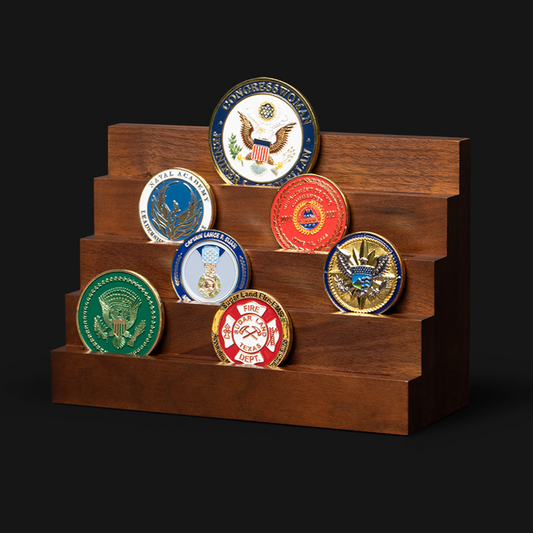
Commemorative veteran coins fit milestones that matter to alumni and current members. The date and unit lineage should be clear at a glance. A controlled distribution plan prevents the coin from feeling like generic swag. A small record of recipients also supports later reunions.
3. Host retirement ceremonies that include awards and family seating

Retirement ceremonies should put the retiree’s story ahead of scripts and speeches. Family seating signals respect for the home front without turning it into a photo op. A battalion can reserve front-row seating and add a short service summary read by the commander. Tight timing keeps attention on the retiree, not the agenda.
4. Assemble shadow boxes with medals, badges, and unit insignia
Shadow boxes translate a career into a clean, lasting display. Item order and spacing matter, since clutter reads as carelessness. A written inventory helps prevent missing awards and incorrect devices. The best result feels like a final uniform inspection in a frame.
5. Mail signed letters of thanks to veterans and families
A letter works when it names the veteran’s unit role and specific contribution. A real signature matters more than long text. Mailing it reaches veterans who cannot attend events. Keeping a copy supports unit history and avoids repeated wording.
6. Maintain a unit honor wall for retirees and veterans
An honor wall creates visibility without forcing a ceremony. Clear standards prevent arguments about who qualifies. Regular updates show the wall is active, not decorative. A simple nomination process helps the unit keep pace with departures.
7. Run a Veterans Day roll call at morning formation
A roll call is short, familiar, and easy to run well. It recognizes veterans present without putting them on a stage for too long. A brief moment of silence can be respectful if the unit keeps it disciplined. The key is consistency year after year.
8. Organize unit reunions that welcome veterans back into the ranks
Reunions reinforce belonging and rebuild contact across generations. A clear schedule prevents the event from turning into side conversations only. Name tags and unit rosters reduce friction for newer members. A short welcome from current leadership sets tone without overtalking.
9. Lead a service project that honors veterans in the community
Service projects honor veterans by investing in people, not objects. A defined scope protects volunteers from last-minute chaos. Community partners should understand the unit’s rules for photos and publicity. A short after-action note helps repeat the project next year.
10. Capture oral histories to preserve unit veteran traditions
Oral histories protect lessons that never made it into official records. A simple question set keeps interviews focused and respectful. Veterans should approve what gets shared and what stays private. Storing files with basic tags makes them usable later.
11. Create an annual mentorship award voted on by peers
Peer voting can highlight quiet leaders who never chase attention. Clear criteria prevents the award from turning into a popularity vote. A short citation should name specific mentorship behaviors, not vague praise. A consistent award date helps the unit remember it matters.
12. Give military veteran gifts engraved with name and service dates
Engraving turns a gift into a permanent record. Name, unit, and service dates keep the item readable decades later. A short presentation note helps the gift feel earned, not transactional. Quality matters, since cheap items can feel dismissive.
13. Coordinate hometown recognition with commanders and local leaders
Hometown recognition can honor service without forcing travel. Units should confirm what the veteran wants shared publicly. A single point of contact prevents mixed messages between agencies. A basic timeline helps the veteran avoid surprise attention.
14. Conduct a flag presentation paired with a service summary
A flag presentation is powerful when it stays solemn and brief. A service summary should be accurate and checked against records. The presenter’s posture and pacing matter more than extra words. Families often remember this moment longer than any speech.
15. Start a scholarship fund supporting veterans’ spouses and children
A scholarship fund turns appreciation into tangible support. Clear eligibility rules protect fairness and reduce disputes. A small selection panel helps avoid conflicts of interest. A public accounting summary keeps trust strong without revealing private details.
16. Provide benefits and medical resources briefings before separation
Separation briefings honor veterans by reducing friction during transition. About 200,000 service members leave active duty each year. A practical session should cover benefits, records, and points of contact. A written handout helps veterans act later when life gets busy.
17. Design a matching patch and coin set for reunions
Matching patches and coins create a shared symbol for alumni events. Design controls prevent unofficial variants from diluting the meaning. Distribution should be planned so veterans do not feel priced out. A short backstory for the design adds weight without extra ceremony.
"A balanced approach works best: one public moment, one lasting item, and one support action each year."
|
Recognition practice |
What it does for the veteran |
|
Present custom unit challenge coins during a formal formation |
It ties a visible keepsake to a clear, stated reason. |
|
Issue commemorative veteran coins for key unit anniversaries |
It marks shared history in a form veterans keep. |
|
Host retirement ceremonies that include awards and family seating |
It honors the full service story while respecting family roles. |
|
Assemble shadow boxes with medals, badges, and unit insignia |
It preserves a career record in a display built to last. |
|
Mail signed letters of thanks to veterans and families |
It delivers personal recognition even when travel is not possible. |
|
Maintain a unit honor wall for retirees and veterans |
It gives long-term visibility without requiring a formal event. |
|
Run a Veterans Day roll call at morning formation |
It recognizes presence and service with disciplined simplicity. |
|
Organize unit reunions that welcome veterans back into the ranks |
It restores connection and reduces the feeling of being forgotten. |
|
Lead a service project that honors veterans in the community |
It converts appreciation into action that others can see. |
|
Capture oral histories to preserve unit veteran traditions |
It saves lessons and memories that records often miss. |
|
Create an annual mentorship award voted on by peers |
It rewards steady leadership behaviors that shape unit culture. |
|
Give military veteran gifts engraved with name and service dates |
It makes the gift personal, readable, and hard to dismiss. |
|
Coordinate hometown recognition with commanders and local leaders |
It honors service close to home with controlled public details. |
|
Conduct a flag presentation paired with a service summary |
It pairs a respected symbol with an accurate written record. |
|
Start a scholarship fund supporting veterans’ spouses and children |
It supports families in a practical way that carries long value. |
|
Provide benefits and medical resources briefings before separation |
It reduces transition friction and helps veterans act with confidence. |
|
Design a matching patch and coin set for reunions |
It creates a shared symbol that strengthens alumni identity. |
Plan timing, protocol, and privacy for veteran appreciation events
Timing and protocol shape how honoring veterans feels to the people watching. Calendar alignment matters, since last-minute recognition often looks careless even when intentions are good. Privacy planning matters too, since some veterans do not want details shared publicly. A simple run-of-show keeps presenters calm and keeps the focus on the veteran.
Ask early about preferences for photos, names, and service details, then document the answer. Keep scripts short and verify facts against official records to avoid public corrections. Assign one person to handle seating, awards, and cueing, since ownership prevents confusion. After the event, a quick note to the veteran helps the recognition extend past the day.
Compare recognition options for impact, cost, and longevity
The main difference between one-time moments and lasting keepsakes is how long the recognition stays present after the ceremony. Ceremonies carry high emotional impact but require planning and protocol control. Gifts and commemorative items can last for decades, but only if they’re personal and well made. Support actions like briefings and scholarships can be less visible, yet they often help veterans most.
A balanced approach works best: one public moment, one lasting item, and one support action each year. Cost control comes from standard designs, predictable timelines, and clear approval lanes. Longevity comes from quality materials and accurate engraving, not long speeches. When you need a precise coin or commemorative award that aligns with unit standards, Command Challenge Coins is one practical execution path that units use to keep recognition consistent and respectful.