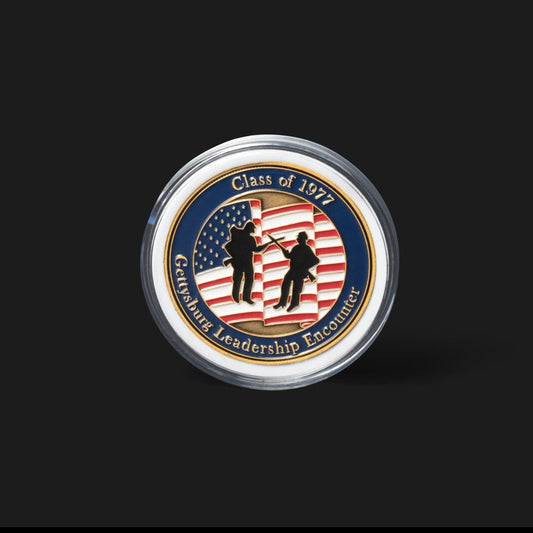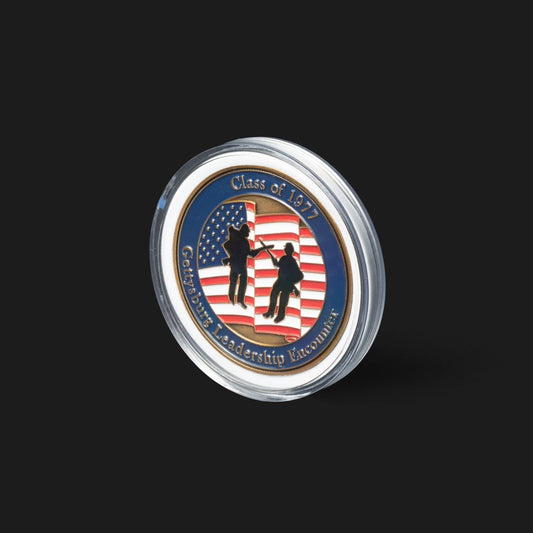

Military unit recognition coins built on tradition
Renita WingfieldKey Takeaways
- Military unit challenge coins keep their value when your unit treats them as controlled recognition, tied to clear standards and consistent presentation.
- Design quality depends on restraint and accuracy, so heraldry, text, and finishes should be chosen for readability and long-term wear.
- Cost and timelines stay predictable when you lock specs early, assign one final approver, and use a manufacturer with tight proof control.
Military unit challenge coins aren’t small souvenirs, and they don’t work like generic giveaways. A coin becomes meaningful when it reflects standards your unit already lives by, and when it’s presented with intent. Design quality matters, but process discipline matters just as much. When both are handled well, the coin turns into a portable reminder of trust, accountability, and shared identity.
Recognition practices scale across a large service community, so consistency is never optional. Federal law defines eight U.S. uniformed services, which helps explain why coin traditions show up across many commands and agencies.Units that treat coins as a controlled recognition tool, not an impulse buy, get better results and fewer avoidable delays.
"Military unit recognition coins carry weight only when tradition and execution match."
Define military unit challenge coins and recognition coin purposes
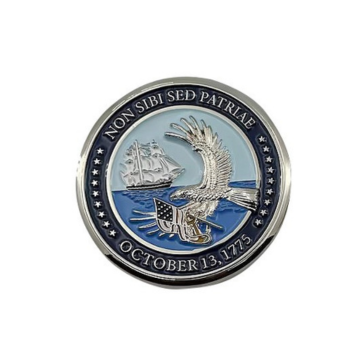
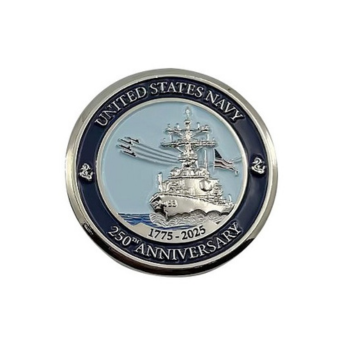
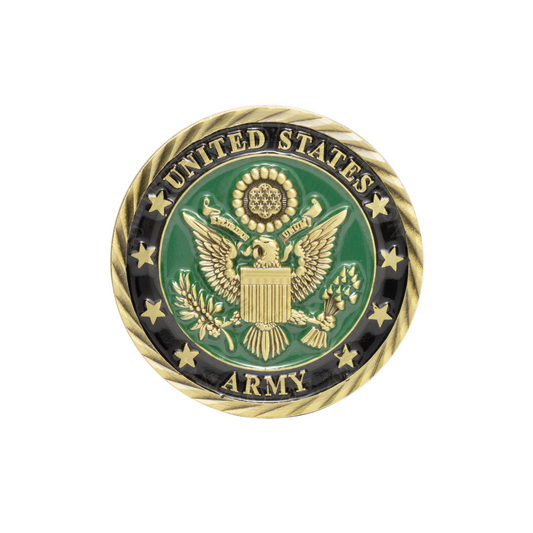
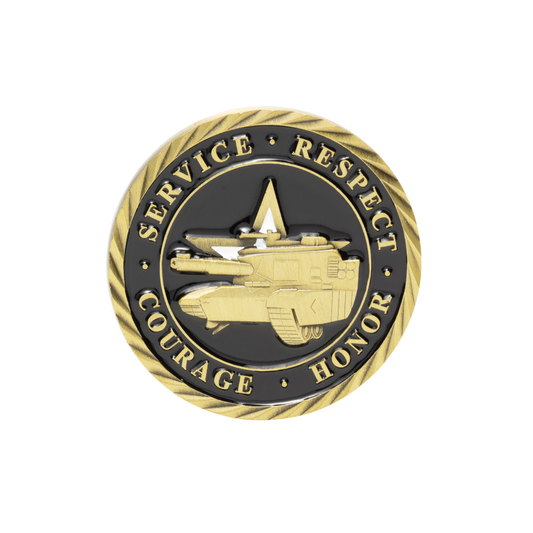
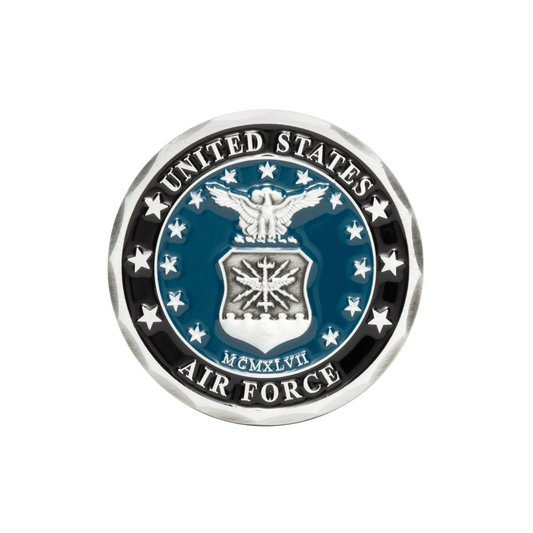
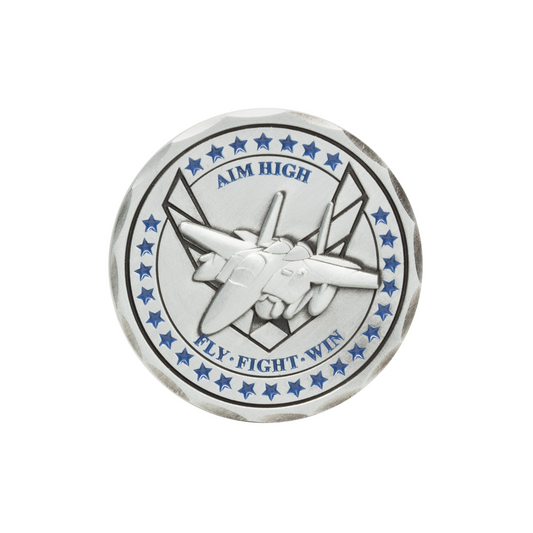
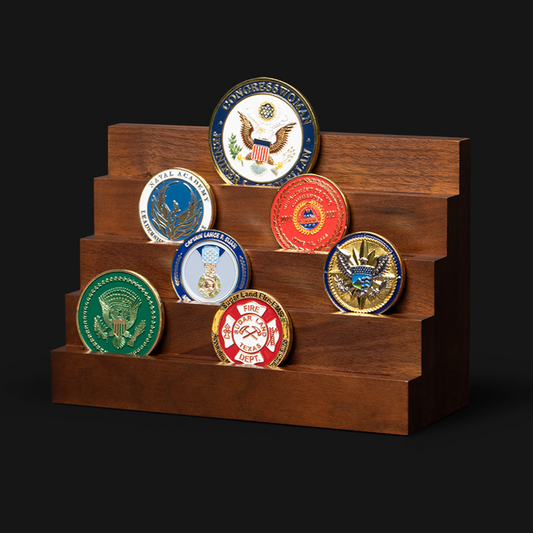
Military unit challenge coins are custom-made tokens that mark belonging, achievement, or trust within a unit. Military recognition coins serve as a tangible record of a moment that mattered, usually tied to performance, leadership, or a unit milestone. The purpose isn’t resale value or decoration. The purpose is to make recognition personal, specific, and lasting.
Clarity on purpose drives every later choice, from size to plating to how many you order. A coin meant for internal recognition will need tighter control over distribution than a coin meant for broad morale support. A coin meant to carry a commander’s authority will need a design that reads clearly at arm’s length. Once you agree on what the coin is supposed to do, the rest of the process stops feeling subjective.
Coins also work as a quiet form of continuity during leadership changes and personnel turnover. Service members move, missions shift, and teams rotate, but a well-made coin holds the story in a way a speech often can’t. That’s why the most respected coins feel deliberate. They were planned, approved, and handled with care.
Traditions that shape coin presentations, exchanges, and unit pride
Coin traditions set the rules of respect around how coins are presented, accepted, and carried. Those rules differ by unit, but they share the same goal: protect the meaning of recognition. A coin that can be earned, not merely handed out, builds trust quickly. A coin that’s presented with formality signals that the unit takes standards seriously.
A common presentation looks simple on the surface, yet it’s carefully staged. A commander calls a service member forward after a tough evaluation cycle, states the specific action that met the standard, and places the coin in the member’s hand during the handshake. Others see the exchange, hear the reason, and understand what the unit values. That single moment does more than praise one person, because it teaches everyone what “good” looks like.
Tradition also shapes how you handle informal exchanges. Some units treat coin checks as humor with a serious undertone, while others avoid them entirely. Either approach works if expectations are clear and the coin stays tied to performance and identity. When the tradition is loose or inconsistent, the coin risks turning into a trinket, and your recognition message weakens.
Common reasons units commission coins for awards and milestones
Units commission coins to recognize performance and to mark milestones that deserve a physical record. The strongest use cases tie the coin to a standard the unit can name and defend. That can be operational excellence, sustained leadership, or completion of a demanding phase of service. Coins also help commanders recognize contributions quickly without waiting on longer award timelines.
Control is the theme that keeps coins from becoming clutter. Your unit will need rules on who can recommend a coin, who approves it, and how the presentation is documented. That process protects the value of the coin for people who receive it, and it protects the commander’s intent. It also reduces the risk of last-minute reorders, rushed art changes, and inconsistent quality across batches.
Units also commission coins to create continuity across a command, especially when personnel rotate often. A coin tied to a specific tour, mission, or leadership term becomes a memory marker that survives moves and career changes. That’s why planning quantity and distribution early matters. Scarcity can increase meaning, but accidental scarcity causes frustration.
Design choices that match heraldry, mission, and rank structure

Good coin design starts with what your unit is authorized to use and what you need the coin to communicate quickly. Heraldry should be accurate, legible, and used with permission, especially for seals and official insignia. Mission signals should be subtle and respectful, not crowded into every empty space. Rank and leadership context should guide whose names, titles, or signatures belong on the coin.
Service context matters because design cues carry different expectations across organizations. Federal law defines the armed forces as six branches, and each has distinct symbols and traditions that influence what looks “right” on a coin. Getting those cues wrong can create friction that has nothing to do with manufacturing quality.
"Restraint is usually the difference between a timeless coin and a busy one."
Strong designs prioritize one main symbol, a clear unit identifier, and a limited set of secondary elements that support the story. Text must stay readable at the finished size, and small details must survive the chosen finish. Approval will go faster when your unit treats design as a disciplined editing process, not a brainstorm that never ends.
Key specs to confirm before ordering custom unit coins
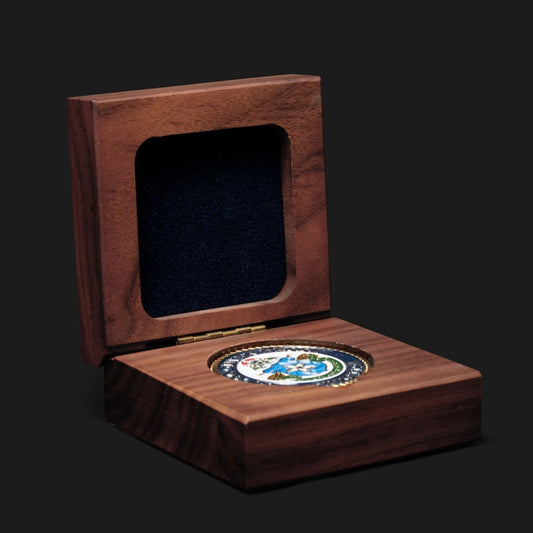
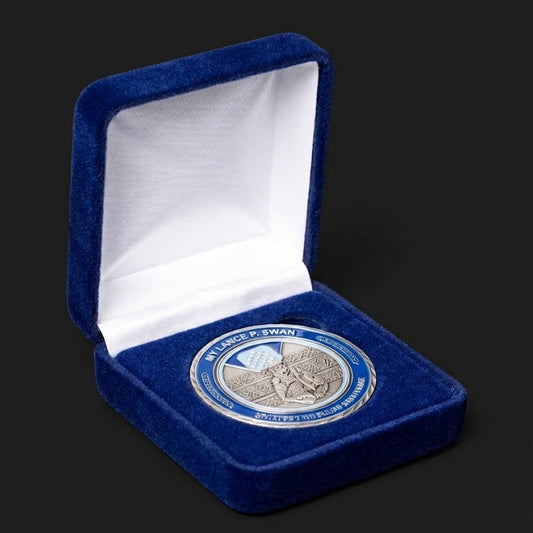
Specs determine how the coin looks, feels, and holds up over time, so they should be confirmed before final art approval. Size and thickness affect perceived value and readability. Finish choices affect contrast, scratch visibility, and how fine details show. Edge style, enamel type, and packaging also influence cost and handling.
Approval problems usually come from missing decisions, not bad intent. Clear specs keep your chain of command from debating the same questions across multiple revisions. They also help you compare quotes fairly, since two vendors can price very different products under the same loose description. The table below works as a practical checkpoint that keeps surprises from showing up after you’ve already approved the design.
|
Checkpoint |
What to confirm before approving art |
|
Finished size and thickness |
The diameter and thickness match readability needs and pocket carry. |
|
Plating and finish approach |
The finish supports contrast and won’t hide fine lines. |
|
Color method and tolerance |
Color use is limited to what must be colored and stays consistent. |
|
Edge style and texture |
The edge choice supports grip and fits the unit’s preferred look. |
|
Back design requirements |
The back has a clear purpose, with text kept readable at size. |
|
Packaging and storage plan |
Packaging matches how coins will be presented and stored without damage. |
How to select a manufacturer for consistent, secure quality

Manufacturer selection should focus on repeatable quality, controlled approvals, and protection of your unit’s design. Proofing discipline matters more than promises, since small errors become permanent in metal. Security matters because unit designs can be sensitive and should not be reused without permission. Communication speed matters because command timelines rarely wait.
Ask how revisions are handled, what file formats are accepted, and who checks art against the approved proof. Production samples and finish standards should be described in plain terms you can verify. Order tracking should be routine, not a special request, and shipping should be packaged for heavy items that can scuff. Those practices tell you how the coin will turn out, not just how the quote looks.
Execution also includes design support that respects chain-of-command control. Teams at Command Challenge Coins typically keep approvals organized through clear proofs, recorded signoff, and a repeatable path for reorders when a unit needs the same coin again. That kind of structure prevents quality drift across batches. It also reduces last-minute pressure on the commander who owns the final approval.
Mistakes that delay approvals and raise per-coin costs
Delays and cost spikes usually come from unclear ownership, late design changes, and specs that weren’t settled early. Each revision cycle adds time, and urgent timelines often increase shipping costs. Vague direction also causes over-design, which can force compromises when details don’t reproduce well. A tighter process protects both your schedule and your budget.
Five preventable mistakes show up most often during custom military unit challenge coins orders. Fixing them is less about creativity and more about disciplined coordination across the people who have a vote. Getting the basics right early will keep your recognition plan intact. It also preserves the coin’s meaning, because rushed decisions tend to look rushed.
- Too many approvers with no final authority for design signoff
- Adding new text after proof approval, which forces redesign
- Choosing fine details that won’t read at the finished size
- Ordering quantities without a distribution plan for presentations
- Skipping a reorder plan, then paying more for small rush runs
Strong units treat coins the same way they treat other recognition tools. Standards are set, approvals are controlled, and presentation stays consistent with tradition. That approach keeps military recognition coins from turning into clutter. It also ensures the coin still means something years later, long after the moment has passed.
How to select a manufacturer for consistent, secure quality
Manufacturer selection should focus on repeatable quality, controlled approvals, and protection of your unit’s design. Proofing discipline matters more than promises, since small errors become permanent in metal. Security matters because unit designs can be sensitive and should not be reused without permission. Communication speed matters because command timelines rarely wait.
Ask how revisions are handled, what file formats are accepted, and who checks art against the approved proof. Production samples and finish standards should be described in plain terms you can verify. Order tracking should be routine, not a special request, and shipping should be packaged for heavy items that can scuff. Those practices tell you how the coin will turn out, not just how the quote looks.
Execution also includes design support that respects chain-of-command control. Teams at Command Challenge Coins typically keep approvals organized through clear proofs, recorded signoff, and a repeatable path for reorders when a unit needs the same coin again. That kind of structure prevents quality drift across batches. It also reduces last-minute pressure on the commander who owns the final approval.
Key specs to confirm before ordering custom unit coins
Specs determine how the coin looks, feels, and holds up over time, so they should be confirmed before final art approval. Size and thickness affect perceived value and readability. Finish choices affect contrast, scratch visibility, and how fine details show. Edge style, enamel type, and packaging also influence cost and handling.
Long-term meaning comes from disciplined choices repeated the same way, not from chasing novelty. Coins that last tend to have clean art, consistent plating, and text that stays readable after years of handling. A unit that documents specs also makes reorders painless, which protects continuity across leadership changes. Command Challenge Coins fits best when you need that repeatable execution, because the process stays focused on proof control and craftsmanship rather than last-minute improvisation.