
Using challenge coins to reinforce company values
Renita WingfieldKey Takeaways
- Challenge coins will reinforce culture when they reward specific, observable behaviors that map directly to your values.
- Clear criteria, consistent approvals, and basic tracking will protect fairness and keep recognition credible across teams.
- Strong coin design and short, specific presentation moments will make appreciation feel earned and memorable.
Posters and slide decks can’t carry culture through a hard week, but a coin in someone’s pocket can. A coin becomes a physical receipt that says, “This behavior matters here,” and it travels far beyond the moment of praise. Median employee tenure in the US was 4.1 years in January 2024, so recognition has to build belonging quickly, not slowly. Coins do that when they’re tied to clear standards and awarded with discipline.
The point is not to hand out shiny objects. The point is to turn company values into repeatable actions you can spot, reward, and talk about without awkward speeches or vague compliments. When you treat coins as a values system with rules, design intent, and follow-through, you’ll get a program people respect instead of another short-lived perk.
"Challenge coins work best when they make your values visible and provable."
How challenge coins reinforce company values through visible recognition
Challenge coins reinforce values by turning “what we stand for” into a public signal of “what we reward.” The coin is durable, specific, and easy to show, which makes recognition feel earned instead of random. It also gives managers a consistent tool to mark moments that deserve to be remembered. Over time, the coin becomes a shared reference point for what good work looks like.
Physical recognition changes how people talk about values because it creates proof. A coin is harder to dismiss than a quick chat message, and it tends to stay on desks, in wallets, or on display shelves. That visibility matters, because peers see the standard being reinforced and can ask what happened. Those small conversations are how values move from leadership language into daily behavior.
Coins also work when you use them as a “values receipt” rather than a prize. Gift cards and points can feel like compensation, which puts the focus on money and fairness comparisons. A coin is symbolic, so it points attention back to the story of what the person did and why it matched a value. That shift is what makes challenge coins for company culture feel authentic instead of transactional.
Choose the right behaviors to tie to company value coins
The strongest coin programs reward observable behaviors, not personality traits or outcomes people can’t control. Start with a short list of actions that clearly map to each value and can happen across roles. Keep the behaviors specific enough that two managers would agree they saw it. This keeps company value coins tied to what people did, not who they’re friends with.
Use simple filters to keep your program focused and fair:
- The behavior is visible without private context or confidential details.
- The behavior can be repeated by many roles, not a single team.
- The behavior supports long-term trust, not short-term output only.
- The behavior is easy to describe in one sentence during an award moment.
- The behavior aligns with what leaders will back even under pressure.
Resist the urge to tie coins to every value statement on the wall. When too many actions qualify, the coin loses meaning and turns into background noise. A tight set of behaviors creates clarity, and clarity makes recognition faster, calmer, and more consistent. That consistency will matter more than creativity once the first wave of excitement fades.
Set clear award criteria and approval rules for fairness

Fairness comes from rules you can explain in plain language and apply the same way each time. Define what qualifies, who can nominate, who approves, and how many coins can be issued per month or quarter. Keep a short written record of why a coin was awarded so leaders can spot patterns and correct drift. The goal is to protect the coin’s meaning, not to slow recognition down.
Approval design should match your org shape. Small teams can run approvals through a single leader, while larger groups usually need a light committee or rotating reviewers to prevent blind spots. Peer nominations can work, but they need a manager check to avoid popularity contests and to confirm the behavior matches the standard. A simple nomination form with one required field, “Which value behavior was shown,” keeps things tight.
Pay attention to distribution equity without turning it into a quota game. Some roles have more visible wins, and some have quieter impact, so reviewers should watch for teams that get overlooked. If you see one leader awarding far more coins than others, treat it like a coaching moment, not a public callout. Consistent standards will protect morale more than any speech about fairness.
Design employee appreciation coins that people want to keep

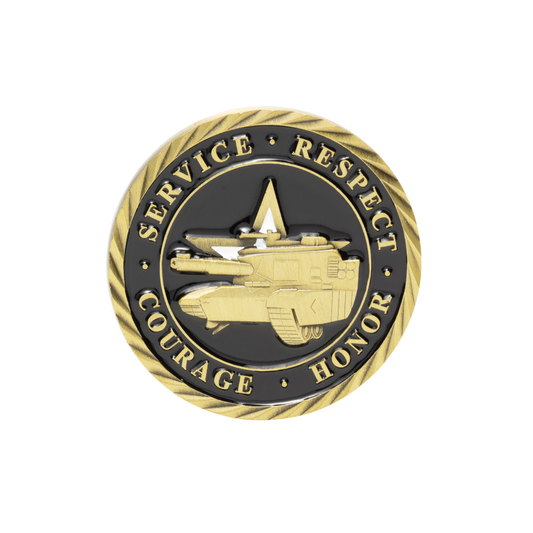
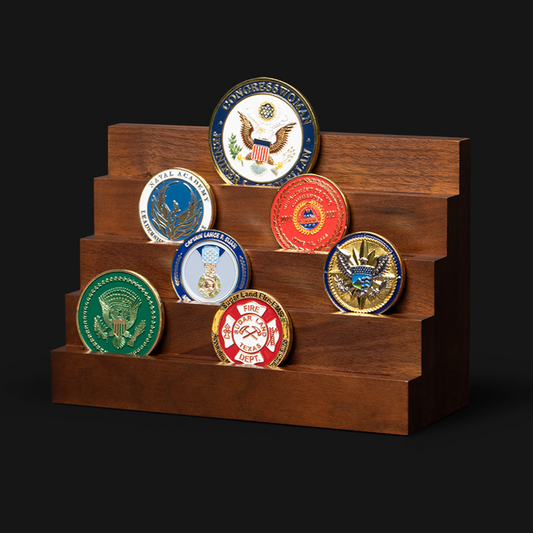
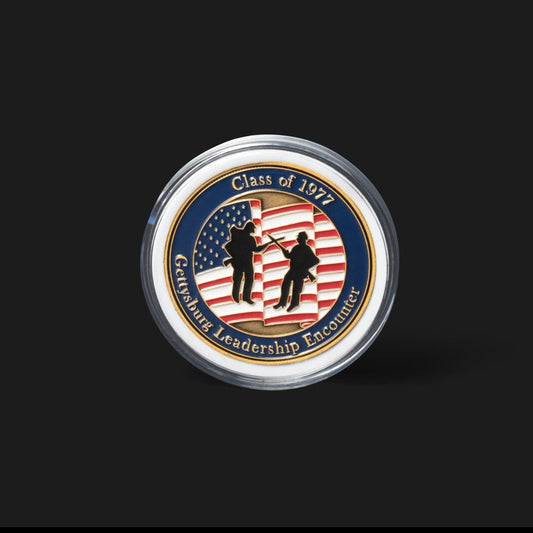
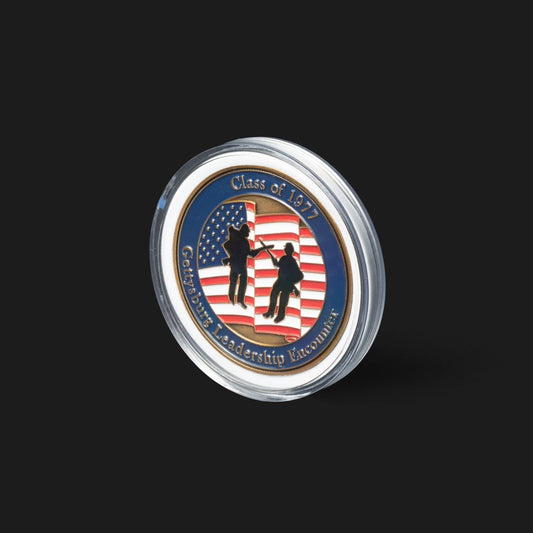
Good design makes the coin feel like an honor, not a giveaway. Use clear symbols that match your values, readable text, and finishes that look intentional in normal light, not just in a product photo. Include a value name or short behavior cue so the coin carries meaning years later. Employee appreciation coins should feel substantial in the hand and specific to your organization.
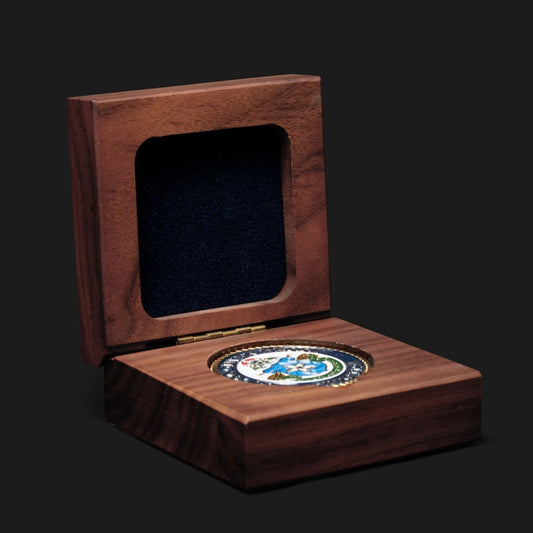
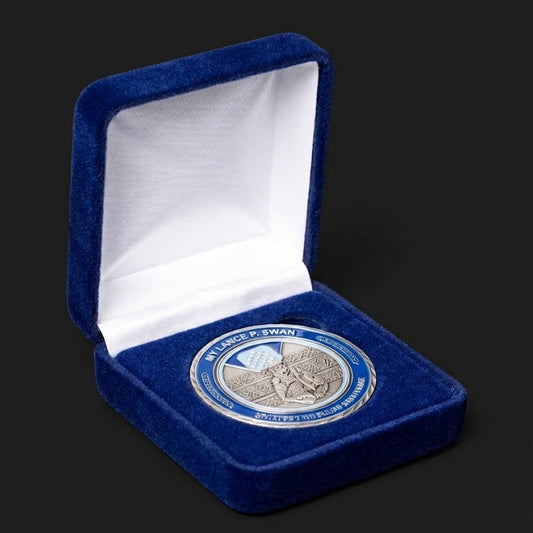
Design choices also affect how the program runs. Larger coins stand out and display well, but they cost more to ship and store. Edge text, sequential numbering, and a consistent back design can help with recordkeeping and make reorders simpler. Packaging matters too, because a coin handed over in a protective case signals care and respect.
Working with a maker like Command Challenge Coins helps when you need tight proofing, clear metal options, and a repeatable production process that won’t shift colors from batch to batch. That execution detail is not cosmetic, because poor quality undermines the message you’re trying to send. A coin should look like it belongs in a long-standing tradition of recognition, even if your program is new.
Plan meaningful presentations that strengthen team trust and culture
The presentation moment is where the value becomes a story people can repeat. Keep it short, name the exact behavior, and connect it to the value using the same language each time. Make recognition public when it’s respectful and the recipient is comfortable with it. Timing matters too, because the closer you are to the behavior, the more believable the recognition feels.
A practical approach is a 60-second presentation with three parts: what happened, why it matched the value, and what you want others to copy. A sales manager can hand a coin at the weekly team huddle after a rep escalated a deal risk early, documented options, and protected the customer relationship even though it reduced short-term revenue. The manager names the value as “integrity under pressure,” then asks the rep to share the one step that made the escalation easier.
"People leave with a repeatable behavior, not just a warm feeling."
Remote teams still need ceremony, just adjusted. A leader can announce the recognition on video, then mail the coin with a short note that repeats the behavior standard word for word. Avoid overproducing the moment, since heavy scripting can feel forced. Simple, consistent, and specific will build more trust than a long speech.
Track results and avoid common mistakes with coin programs
Tracking protects the coin’s meaning and tells you if the program is reinforcing values or just adding noise. Watch who receives coins, which values get recognized, and how often awards happen across teams. Pair those patterns with qualitative feedback from managers and employees about clarity and fairness. Fixes should focus on criteria and process, not on more hype.
Costs of turnover make disciplined recognition worth treating as a management system, not a side project. Replacing a worker in a midrange job typically costs about 20% of annual pay, so small improvements in retention can justify tighter governance. Most failures come from inconsistency: leaders award coins for results one month, then for effort the next, then stop completely. When that happens, employees learn that values are optional.
|
Program checkpoint |
What good looks like when reviewed quarterly |
|
Behavior definitions |
Managers can describe qualifying actions in one sentence. |
|
Award distribution |
No single team receives most coins without a clear reason. |
|
Approval process |
Review steps are light, consistent, and documented in one place. |
|
Presentation quality |
Recipients hear the exact behavior and value, not generic praise. |
|
Coin design integrity |
Reorders match prior batches, and wear holds up over time. |
The most effective programs treat coins as a standard of conduct you protect with care. If you partner with Command Challenge Coins or any other maker, the craftsmanship only matters when your internal rules make the coin rare enough to respect and clear enough to understand. Over time, that discipline will shape how people act when nobody is watching, which is the only test that matters for values.